Updated on August 31, 2026, for accuracy and clarity.
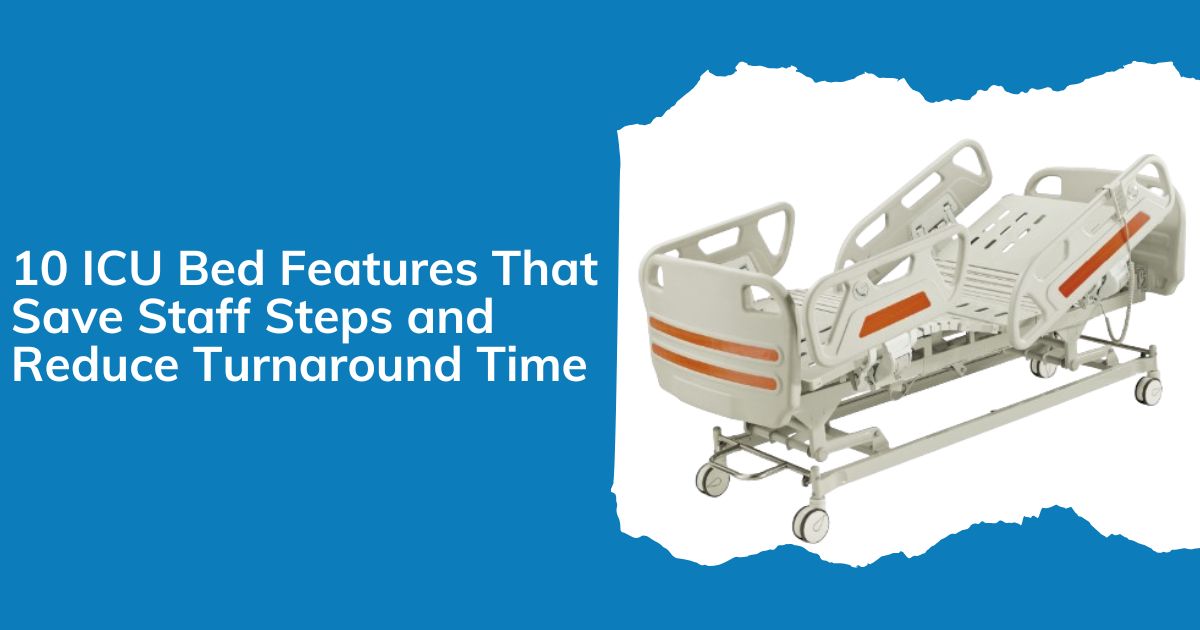
TL;DR: The best ICU beds reduce staff workload by combining motorized positioning, bedside controls, integrated monitoring, easy mobility, infection-control features, and reliable safety systems.
Modern ICU beds are designed to improve patient safety, nursing efficiency, clinical positioning, infection control, and room turnaround time. Features such as motorized presets, integrated controls, bed-exit alerts, lockable casters, quick-release side rails, easy-clean surfaces, battery backup, and modular components can reduce unnecessary staff movement while supporting faster and safer critical-care workflows.
In a busy intensive care unit, every step a nurse takes and every minute spent on routine tasks adds up. Small inefficiencies compound into longer turnaround times, delayed care and exhausted staff. That’s why investing in the right ICU bed features matters: well-designed beds reduce unnecessary movement, streamline workflows and keep the focus on patient care. Below are ten ICU bed features that consistently save staff steps, speed room turnovers and improve the daily rhythm of critical care.
1. Integrated Digital Controls at Point of Care
When nurses must cross the room to adjust a bed, that’s time away from patients. ICU bed features that include integrated digital controls at the bedside let staff change posture, lock wheels and call for assistance without leaving the patient. A thoughtfully executed hospital ICU bed design positions controls ergonomically so adjustments become immediate and intuitive. With advanced ICU bed technology integrated directly at the point of care, routine repositioning no longer interrupts clinical rhythms.
Motorised positioning that includes clinical presets saves many small steps. Instead of manually cranking or asking for assistance, staff can select a preset and move the patient to the correct position in seconds. This is a core area where ICU bed functionality and automated ICU bed systems meet to reduce manual handling and speed tasks like proning or respiratory therapy. In designs optimized for workflow, presets are easily accessible and help standardize care.
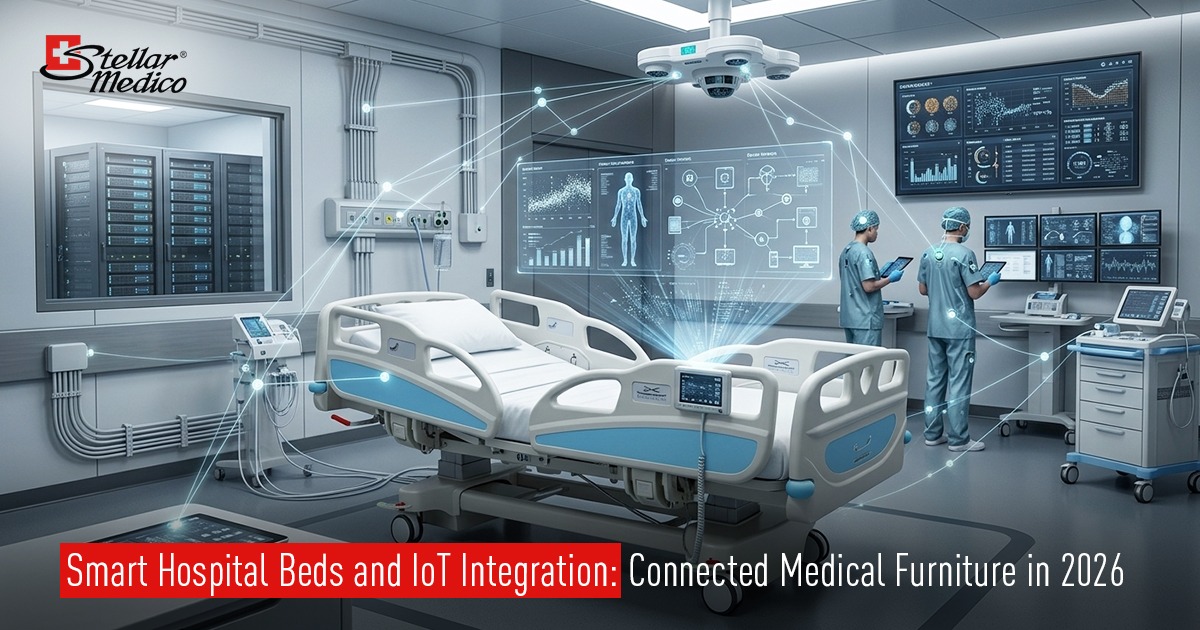
Beds that act as active monitoring pods reduce the need to fetch separate devices. Modern advanced ICU bed technology integrates weight sensors, bed-exit alarms and even basic respiratory or movement sensors. These ICU bed features surface relevant alerts at the nurse station, cutting unnecessary hallway checks and allowing staff to prioritise only the alarms that need immediate attention. The result: fewer interruptions and more efficient staffing.
Also Read: Top Features to Look for in ICU Beds for Hospitals
Smart beds that sync with nurse call systems eliminate duplicate documentation and unnecessary trips. When bed status, patient position or alerts are visible on the central dashboard, staff can plan rounds more efficiently. This integration is a hallmark of modern hospital ICU bed design and of automated ICU bed systems that feed data into a unit’s workflow. Less walking means better time allocation for direct patient care.
Small conveniences add up. ICU bed features such as integrated storage rails, accessory mounts for IV stands, and nearby tray placements reduce the need to fetch supplies from across the room. A bed designed using smart ICU bed functionality principles keeps frequently used items within arm’s reach, so nurses spend less time walking and more time delivering care. The result is a measurable reduction in staff footsteps during each care cycle.
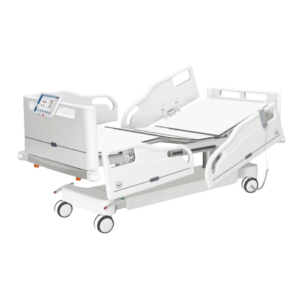
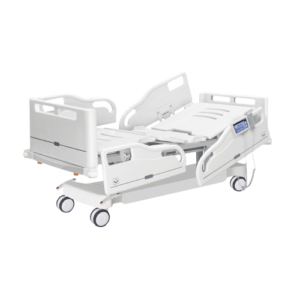
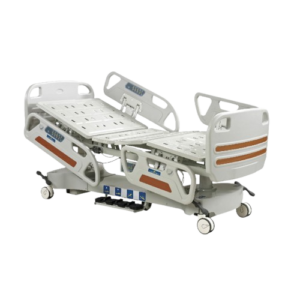
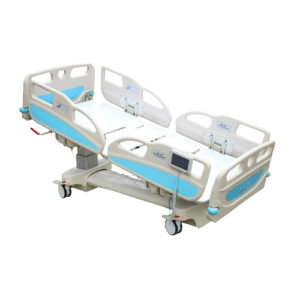
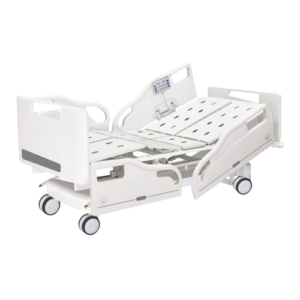
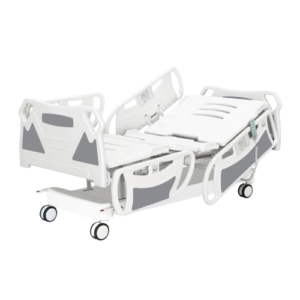
Moving a bed to adjust a patient or clean a space should be effortless and safe. High-quality ICU bed features include smooth-rolling, hospital-grade casters and one-touch braking systems. When beds move easily and lock securely, one caregiver can reposition a patient without waiting for help. These mechanical improvements are simple but powerful contributors to better hospital ICU bed design and they directly reduce time taken for room turnovers and patient repositioning.
Also Read: Everything to Know About ICU Beds Before Importing for Hospitals
Side rails are essential for patient safety but can slow transfers if poorly designed. ICU bed features that offer quick-release mechanisms and integrated transfer support, simplifies patient movement. In units that prioritize ICU bed functionality, rails fold or latch swiftly and transfer aids are built in, reducing the time and steps required during admissions, discharges or repositioning. These design choices translate into faster, smoother workflows.
Cleaning is one of the heaviest time sinks during room turnover. Beds with seamless, wipeable surfaces and removable cushions make cleaning faster and more thorough. When advanced ICU bed technology includes hygiene-first engineering, sealed joints, removable panels and materials compatible with hospital disinfectants, turnover teams spend less time scrubbing and more time preparing rooms for the next patient. This attention to materials is a core part of modern hospital ICU bed design.
Nothing halts care faster than a bed with dead power. ICU bed features that include battery-backed motors and fail-safe mechanical overrides ensure that positioning and alarms remain functional during power transitions. These automated ICU bed systems protect critical workflows and reduce delays caused by technical issues. When power interruptions occur, staff can continue essential tasks without interruption, saving precious time and steps during critical moments.
Beds that break down create bottlenecks and force staff to juggle patient moves. Modular ICU bed features from removable actuators to standardised replacement panels make maintenance quicker and simpler. When a component fails, a technician can swap in a pre-tested module rather than disassembling the entire unit. This approach aligns with the best practices in hospital ICU bed design and ensures that downtime is minimal, keeping turnover times low across the unit.
Also Read: Why Are Specialized ICU Beds Essential for Critical Care Units?
Alone, each feature saves a few steps; combined, they change how a unit operates. When ICU bed features are thoughtfully integrated, motorised adjustments with bedside controls, connected sensors with nurse station sync and easy-clean surfaces that speed turnover, the cumulative effect is dramatic. Nurses log fewer steps per shift, rooms are ready faster and clinicians can focus on interventions rather than logistics. This system view turns beds into true workflow accelerators.
Selecting the right bed is about matching features to clinical patterns. Audit your unit: where are staff spending the most time and which tasks cause bottlenecks? Look for ICU bed functionality that addresses those friction points whether that’s faster positioning, fewer trips for supplies or simpler cleaning. Evaluate advanced ICU bed technology not for its novelty, but for measurable gains in time saved and reduced interruptions.
Introducing beds with innovative ICU bed features only pays off if staff adopt them. Training, quick-reference guides and hands-on demos ensure nurses use presets, manage alerts effectively and keep uptime high. When new beds are introduced as part of a broader workflow change supported by leadership and practical coaching, the benefits in reduced turnaround time and staff steps materialize quickly.
To justify investment, measure improvements: steps saved per nurse, average room turnover time, number of bed-related alarms per shift and time to position patients. Successful units using ICU bed features often show measurable declines in non-value steps and faster readiness for the next patient. These metrics allow decision-makers to quantify the ROI of advanced ICU bed technology and validate procurement decisions.
When procuring beds, ask vendors to map features to your unit’s pain points. Ensure the hospital ICU bed design prioritizes ergonomics, serviceability and integration into your existing systems. Request field-testing or short pilot deployments to see how the ICU bed features perform in real conditions. A supplier that helps with integration and training ensures that the investment translates into real-world time savings.
The right ICU bed features do more than move patients, they move care forward. By focusing on bedside controls, motorised presets, integrated monitoring and easy maintenance, hospitals can reduce unnecessary staff steps, shorten room turnovers and free clinicians to focus on care. When hospital ICU bed design, advanced ICU bed technology and ICU bed functionality are aligned with unit workflows, turnaround time drops and patient care improves.
Stellar Medico understands how clinical workflows depend on equipment that is durable, smart and nurse-friendly. As a trusted supplier, we offer beds engineered with practical ICU bed with nurse-friendly features and optional automated ICU bed systems that integrate into existing hospital platforms. Their approach pairs robust product design with installation support and staff training, so the features you buy actually deliver the time savings you expect.
Ready to cut steps, lower turnaround times and make care more efficient?
Contact us today to specify ICU beds designed for real-world results and let your next investment start working from day one.
1. What features should you look for in an ICU bed?
The most important ICU bed features include motorized positioning, bedside controls, adjustable height, integrated monitoring, bed-exit alerts, lockable casters, safe side rails, easy-clean surfaces, battery backup, and emergency controls. Hospitals should prioritize features based on patient acuity, nursing workflow, infection-control requirements, and maintenance needs.
2. How do ICU beds improve nursing efficiency?
ICU beds improve nursing efficiency by reducing manual positioning, unnecessary walking, repeated adjustments, and routine monitoring tasks. Motorized presets, bedside controls, integrated alerts, accessible accessories, smooth casters, and nurse-station connectivity allow staff to complete common tasks faster and spend more time on direct patient care.
3. How do ICU beds help prevent patient falls?
ICU beds help reduce fall risk through low-height positioning, secure side rails, bed-exit alarms, stable locking systems, and controlled patient positioning. These features provide additional safety support while allowing healthcare staff to monitor and reposition critically ill patients more efficiently.
4. Why are easy-clean surfaces important in ICU beds?
Easy-clean surfaces are important in ICU beds because they make disinfection faster and help reduce contamination risks between patients. Seamless surfaces, sealed joints, removable components, and materials compatible with hospital-grade disinfectants can simplify cleaning and support faster room turnover.
5. How do you choose the right ICU bed for a hospital?
To choose the right ICU bed, evaluate patient acuity, positioning requirements, staff workflow, safety features, monitoring capabilities, infection-control needs, mobility, maintenance, connectivity, and total lifecycle cost. Hospitals should also consider hands-on trials, staff training, warranty coverage, spare parts, and compatibility with existing clinical systems before purchasing.
Social Sharing: