Updated on March 31, 2026, for accuracy and clarity.

In modern healthcare, the right hospital furniture plays a pivotal role in ensuring patient comfort, safety, and effective medical care. Among all hospital furniture, ICU beds are perhaps the most critical. They are designed to cater to the specific needs of patients in intensive care units, where every second matters, and patient well-being is a top priority.
Choosing the right ICU beds for your hospital requires understanding various features, standards, and requirements. Whether you’re a hospital furniture provider, a medical furniture supplier, or a healthcare facility owner, this guide will help you make an informed decision.
The first and foremost priority for ICU beds is ensuring patient comfort and safety. A patient-friendly hospital bed must offer adjustable features, such as head and leg elevation, to provide optimum support and reduce the risk of bedsores.
Features to look for:
Modern ICU beds come equipped with advanced technology to assist healthcare professionals in providing better care. Look for features like electronic controls, integrated monitoring systems, and CPR functionality.
Why it matters:
Pro Tip: Opt for smart hospital equipment that enhances efficiency and reduces manual labor for staff.
When investing in hospital equipment, durability and compliance with international quality standards are non-negotiable. A high-quality ICU beds supplier will provide certified medical furniture that meets these benchmarks.
What to check:
Every healthcare facility has unique requirements. Choosing custom hospital furniture solutions can help you meet those specific needs.
Considerations for customization:
For hospitals looking to establish or upgrade their facilities, partnering with a turnkey hospital furniture solutions provider can be a game-changer. These providers handle everything from product selection to hospital furniture installation services.
Advantages of turnkey solutions:
While advanced features and durability are crucial, cost remains a significant factor. Opt for affordable hospital furniture that still maintains high standards.
Tips for cost-effective solutions:
As sustainability becomes increasingly important, sustainable hospital furniture options are gaining popularity. Opt for environmentally-friendly materials and energy-efficient designs when possible.
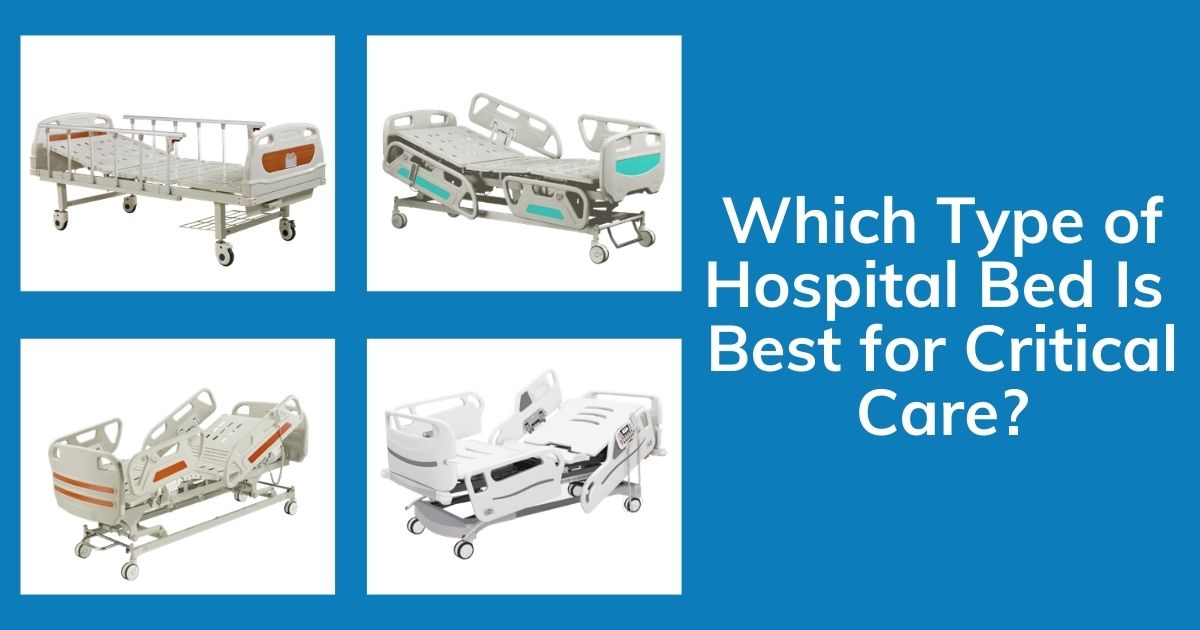
Hydraulic beds offer smooth and effortless adjustments, making them ideal for ICUs. They are reliable and require minimal maintenance.
These come with electronic controls for quick and precise adjustments, enhancing both patient and caregiver convenience.
If you’re a hospital furniture provider for smaller facilities, consider offering basic adjustable beds that meet essential needs without breaking the budget.
Ideal for advanced healthcare facilities, these beds have built-in patient monitoring systems to support critical care.
Stellar Medico, a trusted medical furniture manufacturer, provides a wide range of high-quality ICU beds and related products. As a turnkey medical equipment provider, Stellar Medico ensures a seamless process from selection to installation.
Selecting the right ICU beds is an important decision that directly impacts patient care and staff efficiency. By considering factors like comfort, technology, durability, and cost, you can make an informed choice that aligns with your hospital’s needs.
Stellar Medico is here to support you every step of the way, offering advanced healthcare furniture and turnkey hospital furniture solutions. Whether you’re looking for hydraulic ICU beds, adjustable hospital beds, or a complete hospital setup supplier, Stellar has you covered.
Transform your healthcare facility with the best ICU beds today. Contact Stellar Medico for more information!
You should look for features like advanced adjustability, safety mechanisms, integrated technology, and durable construction in ICU beds. These features ensure optimal patient care, support critical medical procedures, and enhance overall efficiency in intensive care units. Beds with easy controls and compatibility with medical equipment are especially valuable.
Adjustable features are important in ICU beds because they allow precise patient positioning for treatment, comfort, and recovery. Functions such as head elevation, leg adjustment, and height control help in improving blood circulation, reducing pressure sores, and enabling medical procedures to be performed more effectively.
ICU beds improve patient safety by incorporating features like side rails, locking mechanisms, and emergency controls that reduce risks such as falls or sudden complications. Many beds also include alarms and quick-response settings that allow healthcare providers to act immediately in critical situations.
Technology plays a crucial role in ICU beds by enabling automated controls, real-time monitoring, and integration with hospital systems. These advancements help healthcare professionals track patient conditions accurately and respond quickly, improving both safety and treatment outcomes.
ICU beds support healthcare staff efficiency by reducing manual effort through motorized adjustments and intuitive control systems. This allows caregivers to reposition patients quickly, access them easily, and perform procedures with less physical strain, saving time and improving workflow.
Durability is important when selecting ICU beds because they are used continuously in demanding healthcare environments and must maintain performance over time. High-quality materials and robust construction ensure long-term reliability, reduce maintenance costs, and support uninterrupted patient care.
Pressure-relief mattresses are important in ICU beds because they help prevent bedsores and improve patient comfort during long-term immobility. These mattresses distribute weight evenly and reduce pressure on sensitive areas, which is critical for patients in intensive care.
ICU beds integrate with medical equipment through built-in attachments, mounting options, and compatibility with devices such as ventilators and IV stands. This integration ensures that all essential equipment remains within reach and reduces the need for patient movement during treatment.
ICU beds are different from regular hospital beds because they offer advanced features like multi-position adjustments, integrated monitoring, and emergency response functions. They are specifically designed to support critically ill patients who require constant observation and specialized care.
Yes, smart ICU beds are worth the investment because they enhance patient monitoring, improve care quality, and reduce workload for healthcare staff. Their advanced features lead to better patient outcomes, increased efficiency, and long-term cost savings for hospitals.
Social Sharing: