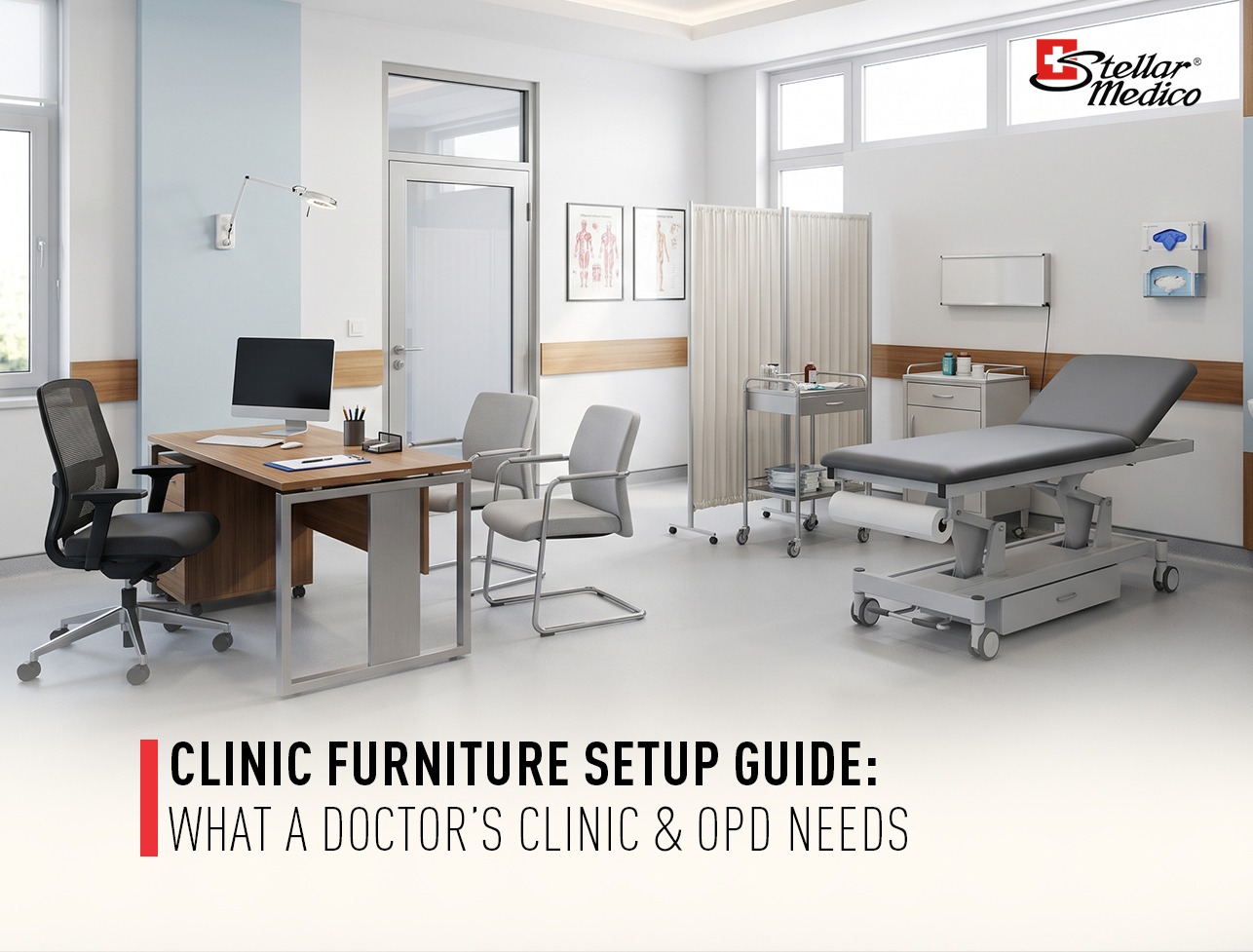
Setting up a doctor’s clinic involves more than arranging a consultation desk and a few chairs. The reception, waiting area, consultation room and examination space each serve a different purpose, and their furniture should support the people using them. A thoughtful setup helps patients move through the clinic comfortably while allowing doctors and staff to work efficiently.
Choosing the right clinic furniture starts with understanding the services offered, the available floor space and the expected patient volume. Whether you are opening a new practice or upgrading an existing one, plan each room before purchasing individual pieces. The aim is not to fill every corner, but to create a practical space with suitable furniture, clear movement routes and enough room for daily activities.
Before selecting doctor clinic furniture, map the patient journey: arrival, registration, waiting, consultation, examination and departure. A typical outpatient clinic may include reception, waiting, consultation and examination areas, with storage or a procedure space where required.
Keep reception easy to locate and waiting seats close to the consultation rooms without blocking entrances. The examination area needs privacy and enough clearance for the doctor and assisting staff. A well-arranged clinic furniture setup can make even a compact space more functional, but the layout should reflect the premises and services rather than copy another clinic.
The reception area handles enquiries, registration and appointment-related tasks. It needs a desk with enough working surface, a suitable chair for staff and storage for files and stationery. A few visitor chairs can help patients who need assistance at the counter.
Choose doctor clinic furniture for this area based on the reception team’s daily tasks. The desk should be easy to approach without obstructing patient access. Storage cabinets can keep frequently used materials organised, while a coordinated finish helps the reception feel connected to the rest of the clinic.
Patients may spend time waiting before a consultation, so seating should be stable, comfortable and appropriate for the expected number of visitors. Depending on the room, a clinic may use individual chairs or connected seating, with additional places for attendants where space permits.
The choice of OPD furniture should reflect patient volume and the type of practice. A paediatric clinic, for example, may need a different arrangement from a general physician’s practice. Avoid fitting in more chairs than the room can comfortably accommodate. Keep walkways clear and consider access for elderly patients and people using mobility aids.
Coordinate the waiting area with the clinic interior furniture used elsewhere, but do not let appearance take priority over comfort, access or easy maintenance.
The consultation room is where doctors review medical histories, discuss concerns and maintain records. Its furniture should support conversation, documentation and easy access to frequently used items.
A doctor’s table provides space for records, a computer and consultation essentials. A supportive doctor’s chair is important during long working hours, while patient chairs allow visitors and attendants to sit during discussions. Cabinets can store files, stationery and other supplies.
Selecting doctor clinic furniture means considering how the doctor works throughout the day. Desk dimensions, chair comfort, storage access and room layout should work together. Avoid unnecessary pieces that reduce movement space or make the room feel crowded.
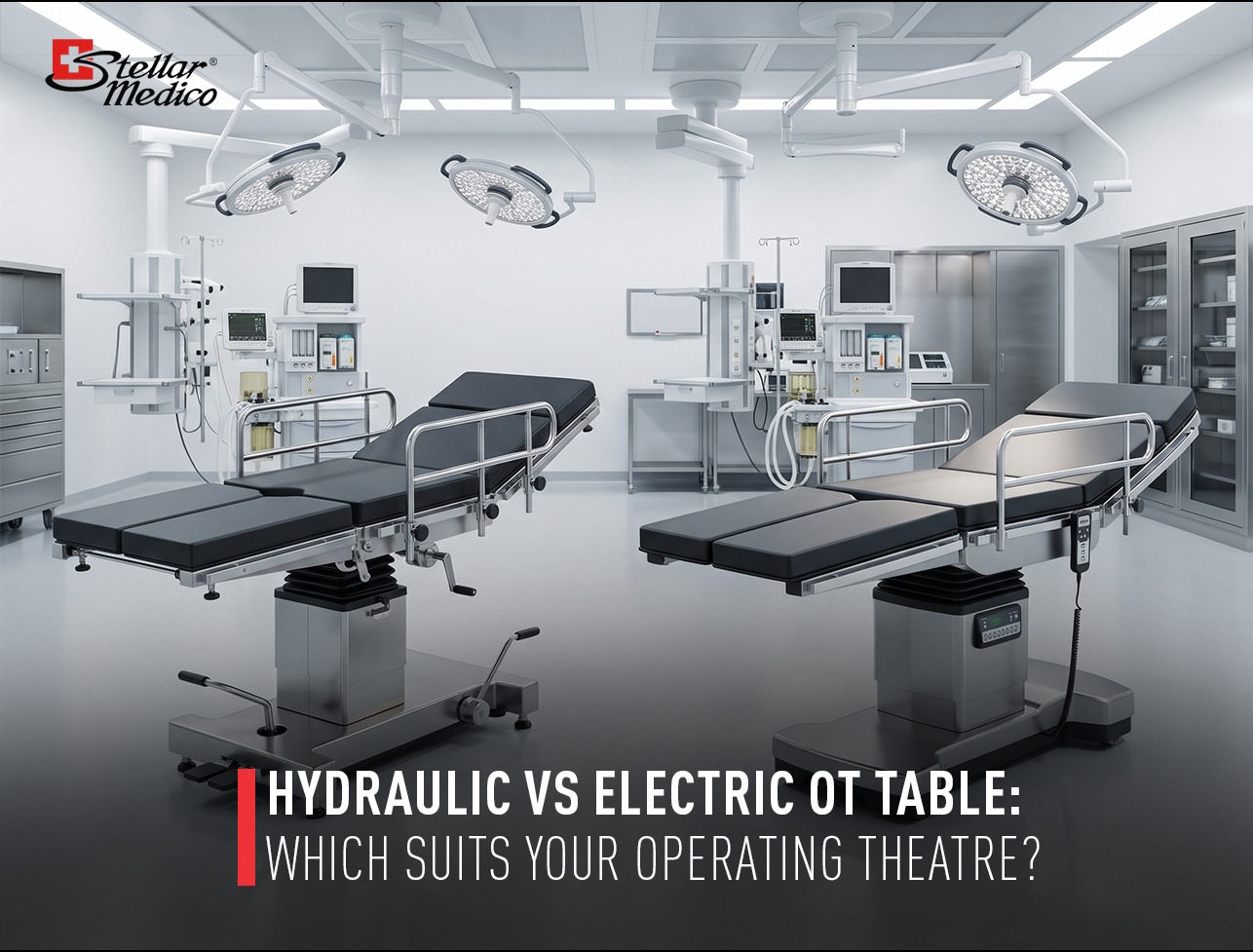
An examination couch is often central to a room where physical assessments take place. Its dimensions, height, stability, surface material and stated patient capacity should suit the clinic’s requirements.
Other useful items may include a patient stool, examination light, privacy screen and storage cabinet. The right OPD furniture depends on the specialty and examinations performed. A general practice may need a standard couch, while a specialist clinic may require particular features or accessories.
Check that staff can move around the couch and that patients can get on and off it safely. Consider cleaning instructions and the accessibility of the examination area before finalising the arrangement.
Insufficient storage can quickly make a clinic harder to manage. Files, consumables, linen and frequently used supplies need designated spaces. Depending on the services offered, useful options include cabinets for records, lockers for staff belongings, units for clean linen and trolleys for moving supplies.
Choose storage according to actual requirements. Large cabinets should not obstruct doorways or reduce examination space. When selecting clinic interior furniture, consider whether shelves, drawers and closed cabinets make items easy to organise and retrieve.
Not every practice needs the same setup. A general physician’s clinic may require a consultation desk, doctor chair, patient seating, examination couch, stool, light and storage. A paediatric practice may benefit from child-appropriate seating and an examination setup suited to younger patients.
A gynaecology clinic may need specialised examination furniture and privacy provisions. An orthopaedic practice should consider access and clearance for patients with restricted movement. Dental and other specialist practices must select furniture that complements their clinical equipment and procedures.
These differences are why doctor clinic furniture should be chosen according to the services offered, not purchased as an identical package for every practice.
Clinic setup cost depends on premises size, specialty, number of rooms, furniture specifications and expected patient volume. Furniture is only one part of the overall budget; interiors, electrical work, medical equipment, technology and operating expenses may also need separate allocations.
To estimate the furniture component of clinic setup cost, prepare a room-wise list. Separate essential purchases from items that can be added later. A basic consultation room may need a desk, chair, patient seating and storage, while an examination room may require a couch, stool, light and privacy screen.
Specialised products, larger storage units and additional examination facilities can increase clinic setup cost. Compare quotations using matching specifications rather than choosing only by the lowest price. Include delivery, installation where applicable, warranty and maintenance requirements in the budget.
Before ordering clinic furniture, review each product against the clinic’s day-to-day needs.
Dimensions: Measure rooms, doorways and access routes. Ensure products can be moved into position without blocking circulation.
Comfort and usability: Check chair support, couch height, accessibility and adjustment features where relevant.
Materials and cleaning: Review surface materials and follow the manufacturer’s cleaning instructions. Furniture should suit regular use in a healthcare environment.
Construction: Check the frame, joints, finish and stated load capacity. Ask for product specifications before making a decision.
Function and storage: Confirm that drawers, shelves and cabinets provide enough usable space for their intended contents.
Supplier information: Review product details, warranty terms, delivery arrangements and available support. Comparing medical furniture suppliers can help buyers understand available options.
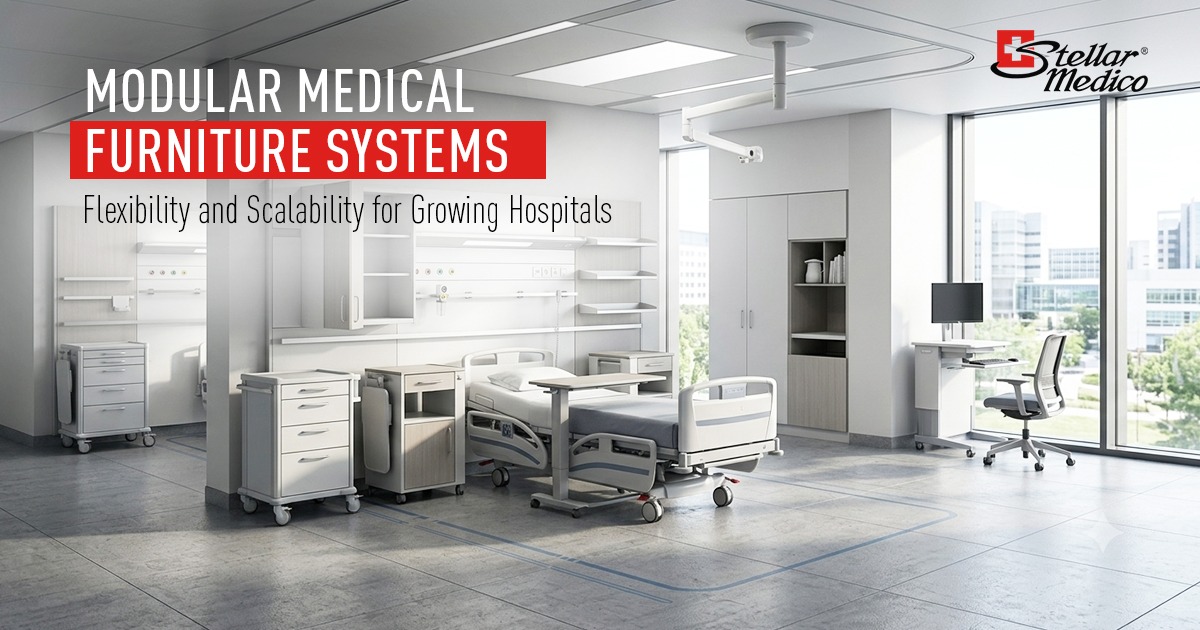
A functional clinic is built around the work carried out in each room. Reception desks, waiting chairs, consultation tables, examination couches and storage units should complement one another without compromising their individual purpose.
The choice of clinic interior furniture can create a coordinated appearance, but patient comfort, staff movement, privacy and cleaning access remain essential. When planning OPD furniture, avoid overcrowding and choose pieces that support the clinic’s actual workload. The best setup is not necessarily the most elaborate; it is the one that works reliably every day.
Setting up a clinic calls for suitable furniture across consultation, examination, waiting and administrative areas. Stellar Medico is a medical furniture supplier offering products relevant to clinic and OPD setups, including doctor tables, doctor chairs, patient chairs, examination couches, patient stools, cabinets and examination lights.
Healthcare buyers can explore the available range and compare product options against their room requirements. If you are opening a new practice or upgrading an existing one, explore our medical furniture range and connect with the team to discuss the furniture your clinic needs.
Social Sharing: