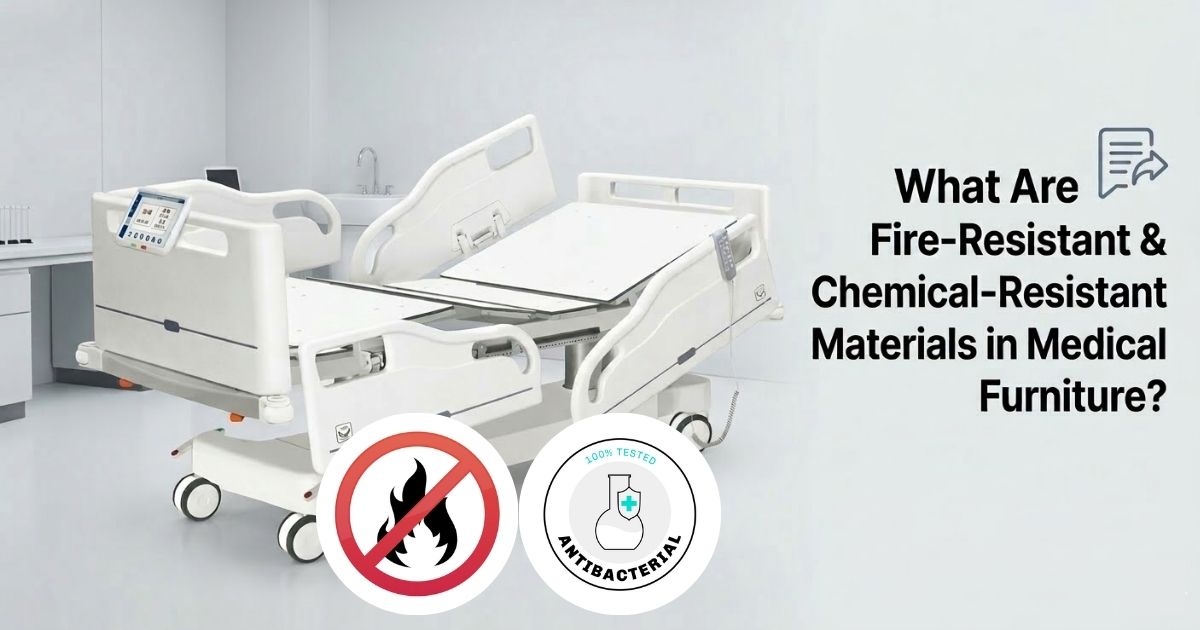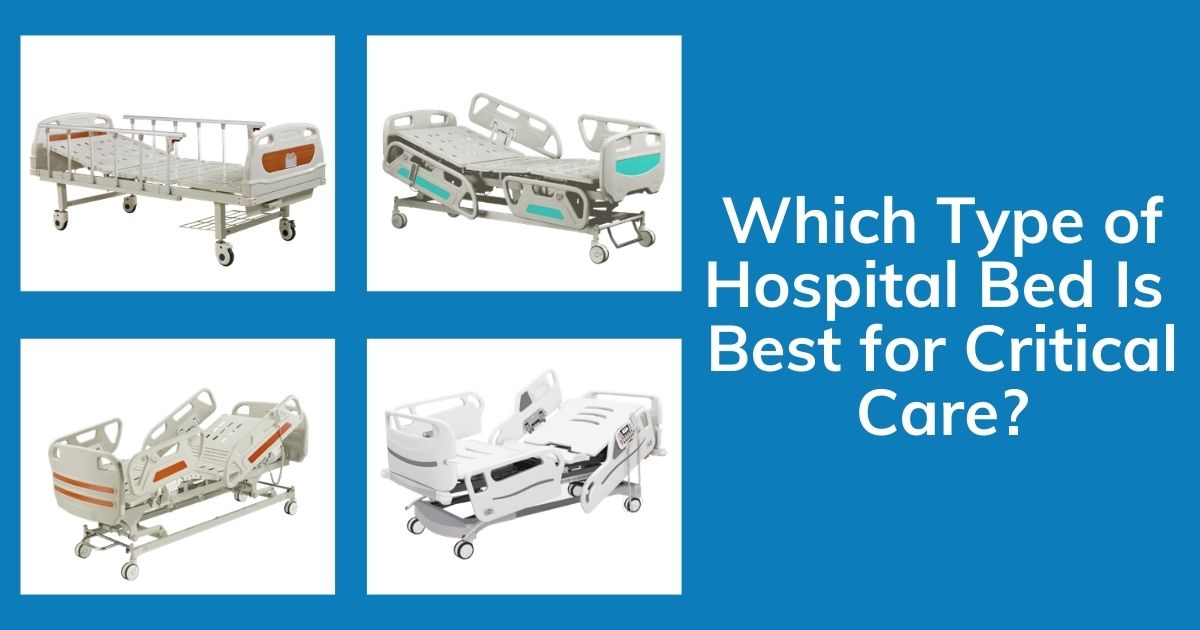
Surface transmission remains one of the most persistent challenges in healthcare environments. From patient beds and examination couches to nurse stations and waiting-area seating, furniture surfaces are constantly exposed to pathogens. While cleaning protocols are essential, they work in cycles — leaving windows of vulnerability in between. This is why antimicrobial furniture has become a critical consideration for modern hospitals and clinics.
Within this category, two material strategies dominate discussions: antimicrobial coatings and antimicrobial plastics. Both claim to reduce microbial survival on surfaces, but they function very differently and offer distinct long-term outcomes. Understanding how these options perform in real healthcare settings is essential for choosing furniture that genuinely supports infection control.
Healthcare-associated infections often spread through high-touch surfaces rather than direct contact alone. Even with rigorous cleaning schedules, pathogens can re-establish themselves within minutes of surface contact. Antimicrobial furniture is designed to reduce this risk by suppressing microbial growth continuously, not just after cleaning.
However, not all antimicrobial solutions are created equal. The effectiveness of antimicrobial materials for hospitals depends on how they interact with cleaning chemicals, mechanical wear, moisture, and daily usage patterns. This is where the debate between antimicrobial coatings and antimicrobial plastics becomes critical.
Also Read: Why Is Infection-Control Furniture Essential for Hospitals?
Antimicrobial coatings are surface-applied treatments designed to inhibit microbial growth. These coatings may contain silver ions, copper compounds, or other antimicrobial agents that disrupt bacterial cell functions. In theory, antimicrobial coatings for healthcare surfaces offer a fast way to enhance hygiene without changing the underlying material.
To understand how antimicrobial coatings work, it’s important to recognise that they operate at the surface level. When microbes land on the coated area, the antimicrobial agent interferes with their ability to reproduce or survive. This can significantly reduce surface contamination in the short term, especially on low-wear furniture components.
However, because coatings sit on top of the material, their performance depends heavily on durability. Scratches, chemical exposure, and repeated cleaning can gradually reduce effectiveness, which directly impacts the long-term reliability of antimicrobial furniture that relies on coatings alone.
Unlike coatings, antimicrobial plastics integrate antimicrobial agents directly into the polymer during manufacturing. This means the antimicrobial property is not a surface treatment but part of the material itself. Antimicrobial plastics for medical devices and furniture components offer consistent protection even as the surface experiences wear.
In high-traffic healthcare areas, this embedded approach is especially valuable. As the surface ages, the antimicrobial function remains intact because it is distributed throughout the material. This makes antimicrobial plastics a strong contender for long-life antimicrobial furniture used in patient rooms, OPDs, and nurse workstations.
From a hygiene standpoint, antimicrobial plastics align well with the demands of antimicrobial materials for hospitals, where durability and repeat cleaning are non-negotiable.
Also Read: 5 Key Factors for Choosing Antimicrobial Materials in Hospital Furniture
Healthcare furniture is cleaned multiple times a day using strong disinfectants. Alcohol-based solutions, chlorine compounds, and hydrogen peroxide wipes are common. The interaction between these chemicals and antimicrobial solutions is a decisive factor.
Antimicrobial coatings may degrade over time when exposed to aggressive disinfectants, leading to reduced antimicrobial performance or surface damage. This can create micro-abrasions where pathogens may accumulate, undermining infection control efforts.
In contrast, antimicrobial plastics for medical devices and furniture components are engineered to withstand repeated cleaning without losing functionality. This resilience supports the long-term effectiveness of antimicrobial coatings vs plastics, especially in high-cycle environments where furniture experiences constant use.
When evaluating infection control strategies, longevity matters. The long-term effectiveness of antimicrobial coatings vs plastics often determines whether furniture continues to perform safely years after installation.
Coatings can be effective in controlled environments but may require reapplication or replacement if wear becomes significant. Antimicrobial plastics, however, maintain consistent performance across the furniture’s lifecycle. This makes them a preferred choice for antimicrobial furniture in critical care units and busy clinical settings.
For hospitals focused on sustainable infection prevention, material longevity directly impacts maintenance costs, replacement cycles, and hygiene reliability.
Also Read: Cleaners vs. Coatings: How to Select Finishes That Survive Daily Disinfectants Without Failing
Material choice alone does not guarantee hygiene. Furniture design plays an equally important role. Seamless surfaces, minimal joints, and rounded edges enhance the effectiveness of both antimicrobial coatings and antimicrobial plastics.
High-quality antimicrobial furniture combines smart material selection with design features that eliminate dirt traps. This integration ensures that antimicrobial materials for hospitals perform optimally under real-world conditions, supporting both infection control and ease of cleaning.
Antimicrobial solutions must be safe for constant human contact. Materials used in healthcare furniture should not release harmful substances or cause skin irritation. Medical-grade antimicrobial plastics are typically tested for biocompatibility, making them suitable for prolonged patient and staff interaction.
Similarly, antimicrobial coatings for healthcare surfaces must meet safety standards, especially in paediatric, maternity, and long-term care environments. Choosing verified materials ensures that antimicrobial furniture supports health without introducing new risks.
Also Read: Hygiene-Friendly Medical Furniture That Improves Nursing Efficiency
While antimicrobial coatings may appear cost-effective initially, their lifecycle performance must be evaluated. If reapplication or early replacement is required, long-term costs increase. Antimicrobial plastics often offer higher upfront value by reducing maintenance needs and extending furniture lifespan.
For healthcare administrators, investing in durable antimicrobial furniture made from reliable antimicrobial materials for hospitals supports predictable budgeting and consistent hygiene standards.
Both antimicrobial coatings and antimicrobial plastics contribute to infection control, but their effectiveness depends on context. Coatings may suit low-wear applications, while antimicrobial plastics provide superior reliability for high-touch, high-use furniture.
In real-world healthcare settings, the debate around long-term effectiveness of antimicrobial coatings vs plastics often resolves in favour of embedded antimicrobial materials, especially where durability and continuous performance are required.
Preventing surface transmission requires more than surface-level solutions. True infection control depends on furniture that maintains antimicrobial performance despite constant cleaning, wear, and use. Understanding the differences between antimicrobial coatings and antimicrobial plastics empowers healthcare facilities to make informed decisions that support patient safety.
Stellar Medico is a trusted medical furniture supplier offering antimicrobial furniture designed for modern healthcare environments. As a supplier, Stellar Medico provides furniture solutions manufactured using reliable antimicrobial materials for hospitals, including components that leverage durable antimicrobial plastics and compatible antimicrobial coatings where appropriate. Their focus is on supplying furniture that aligns with real clinical demands — durability, hygiene, and long-term performance.
If you’re looking to invest in antimicrobial furniture that supports infection prevention beyond surface claims, connect with Stellar Medico today. Equip your facility with furniture designed to withstand daily disinfectants, continuous use, and the realities of healthcare — while helping reduce surface transmission with confidence.
Social Sharing: