Updated on May 30, 2026, for accuracy and clarity.

Key Takeaways
Choosing medical furniture for high-traffic hospital areas requires a focus on durability, infection control, patient safety, and operational efficiency. Furniture used in emergency departments, waiting rooms, outpatient clinics, nursing stations, and patient wards must withstand constant use while remaining easy to clean and maintain. Healthcare facilities should prioritize medical-grade materials, ergonomic designs, antimicrobial surfaces, mobility features, and long-term durability to reduce maintenance costs and improve patient experiences. Investing in high-quality hospital furniture helps healthcare providers create safer, more efficient environments that support staff productivity, regulatory compliance, and uninterrupted patient care.
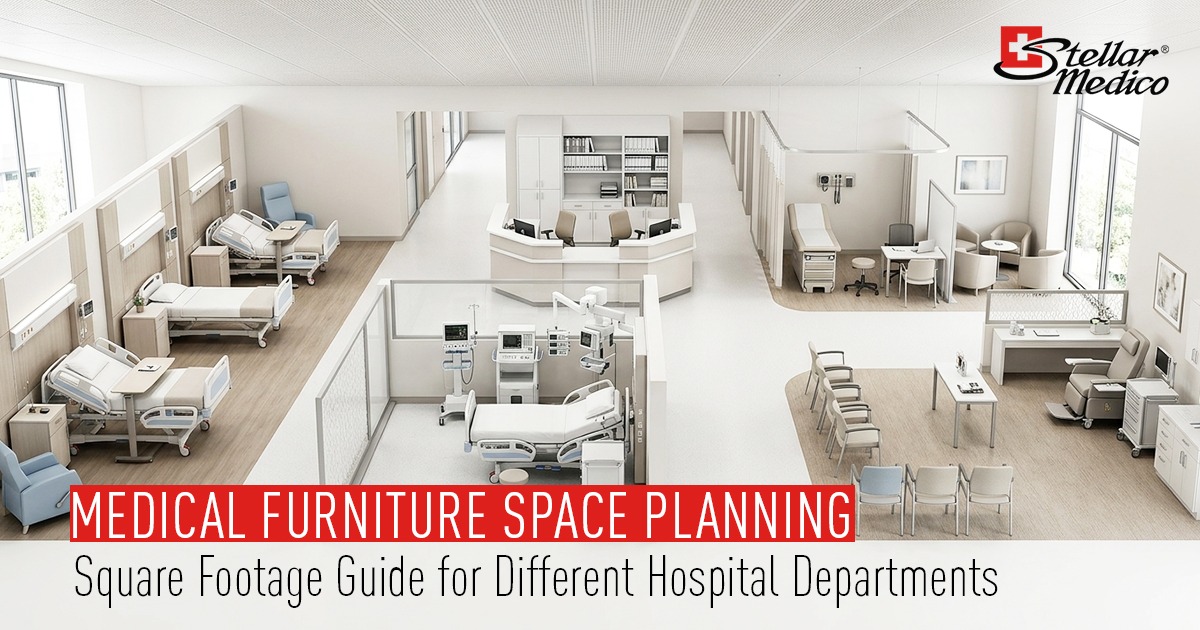
In a hospital, furniture plays a far greater role than simply offering seating or storage. Especially in high-traffic areas like waiting rooms, OPDs, corridors and nurse stations, medical furniture becomes a vital part of the patient care ecosystem. These are dynamic spaces, often crowded and they demand solutions that are durable, hygienic and designed for efficiency. Inadequate or poorly chosen medical furniture can disrupt the patient flow, slow down operations and create hygiene risks. On the other hand, well-designed furniture can make daily routines smoother for staff and more comforting for patients and their families. Therefore, when it comes to furnishing high-traffic zones, hospitals need to think beyond just aesthetics and cost, they need purpose-built solutions.
Not every area in a hospital experiences the same volume or type of traffic. While ICUs and operation theatres remain restricted, public areas like waiting rooms, OPDs and reception counters see a constant flow of patients, visitors and staff. The medical furniture placed here must endure frequent use, withstand wear and tear and support easy, repeated cleaning. This means investing in hospital furniture that is structurally strong, made from non-porous, anti-microbial materials and ergonomically designed to accommodate different user needs. Ignoring these requirements can lead to uncomfortable patients, frustrated staff and even potential safety hazards.
Selecting the right medical furniture for busy hospital areas requires a deeper understanding of how these spaces function.
Waiting room furniture sets the tone for a hospital visit. Clean, modern and comfortable seating makes a positive impression, while dated or damaged chairs can raise doubts about the hospital’s overall care. Key features to look for include anti-microbial surfaces, armrests, fire-retardant upholstery and comfortable spacing between seats. Incorporating features like integrated tables or USB charging points in the waiting room furniture can further elevate the patient experience. Hospitals catering to large volumes should consider linear or modular arrangements that offer both functionality and flexibility.
In high-traffic hospital areas, furniture is not just about comfort, it plays a critical role in supporting workflow, hygiene and patient care. That’s why partnering with a specialist hospital furniture supplier is essential. These experts understand the unique requirements of medical environments, from infection control to ergonomic design. Whether it’s customizing waiting room furniture, optimizing nurse stations, or supplying durable trolleys and overbed tables, a professional supplier ensures every item aligns with safety, compliance and functionality standards. They are equipped to provide NABH- and ISO-compliant medical furniture tailored for high-volume usage. Working with a specialist also brings long-term value. They focus on durability, maintainability and modular design, making replacements and future expansions easier and more cost-effective. More importantly, a trusted hospital furniture supplier like Stellar Medico helps you avoid costly missteps in procurement, installation and compliance, offering peace of mind and operational efficiency right from the start.
The reception and nurse stations form the operational core of any hospital. These spaces require medical furniture that can support multitasking, long working hours and constant interaction with patients. Furniture in these areas must be ergonomic, spill-resistant and equipped with features like cable management or lockable storage.
An expert hospital furniture supplier like Stellar Medico can provide tailored reception desks, chairs with lumbar support, mobile storage units and modular nurse counters ensuring a productive and organized environment.
Corridors and outpatient departments are typically overlooked when planning medical furniture setups, but they play a crucial role in patient navigation and waiting. Strategic furniture choices such as compact benches, foldable chairs, mobile trolleys and wall-mounted accessories help manage foot traffic and reduce clutter. A professional hospital furniture supplier can assess the layout and suggest furniture that maximizes space without compromising on safety or convenience.
While planning for high-traffic areas, hospitals should avoid these missteps:
Cutting corners on medical furniture may lead to higher long-term costs due to early wear, non-compliance or patient dissatisfaction.
From waiting room furniture to reception counters and corridor solutions, Stellar Medico offers a comprehensive range of medical furniture tailored for high-use environments. Our products are:
In high-traffic hospital zones, medical furniture plays a direct role in supporting healthcare delivery. It influences patient comfort, infection control, staff efficiency and even brand perception. Whether you are planning a new facility or upgrading an existing one, choosing the right hospital furniture supplier can make all the difference. Stellar Medico offers the reliability, experience and product innovation needed to meet the complex demands of modern healthcare spaces. From waiting room furniture to nurse stations and corridor seating, let every piece of medical furniture reflect your hospital’s commitment to care, safety and excellence.
Frequently Asked Questions
Medical furniture made from durable, medical-grade materials is best for high-traffic hospital areas. Furniture used in busy environments such as emergency departments, waiting rooms, outpatient clinics, and nursing stations should withstand constant use without compromising safety or comfort. Features such as reinforced frames, scratch-resistant finishes, antimicrobial surfaces, and easy-to-clean materials help ensure long-term performance and lower maintenance requirements.
Durability is important because hospital furniture in high-traffic areas is exposed to continuous use, frequent cleaning, and heavy workloads every day. Durable furniture resists wear and tear, maintains its functionality for longer, and reduces the need for frequent repairs or replacements. Investing in long-lasting medical furniture helps healthcare facilities improve operational efficiency and achieve better long-term value.
Medical furniture helps maintain infection control by providing smooth, non-porous, and easy-to-sanitize surfaces that reduce the risk of contamination. Healthcare-grade materials are designed to withstand regular cleaning and disinfection without deteriorating. Furniture with antimicrobial properties and minimal seams can further support hygiene protocols and contribute to a safer environment for patients, visitors, and healthcare professionals.
Hospitals should prioritize durability, hygiene, ergonomic design, patient comfort, and ease of maintenance when selecting furniture for busy healthcare environments. Additional features such as mobility, impact resistance, moisture resistance, and healthcare-grade construction can improve functionality and support efficient workflows. Choosing furniture specifically designed for healthcare settings helps facilities meet operational and safety requirements.
The right medical furniture reduces maintenance and replacement costs by offering superior durability, resistance to damage, and longer service life. High-quality healthcare furniture is built to withstand intensive daily use and frequent cleaning, resulting in fewer repairs and less downtime. Over time, investing in robust medical furniture lowers total ownership costs while ensuring consistent performance in demanding healthcare environments.
Social Sharing: