Updated on August 31, 2026, for accuracy and clarity.
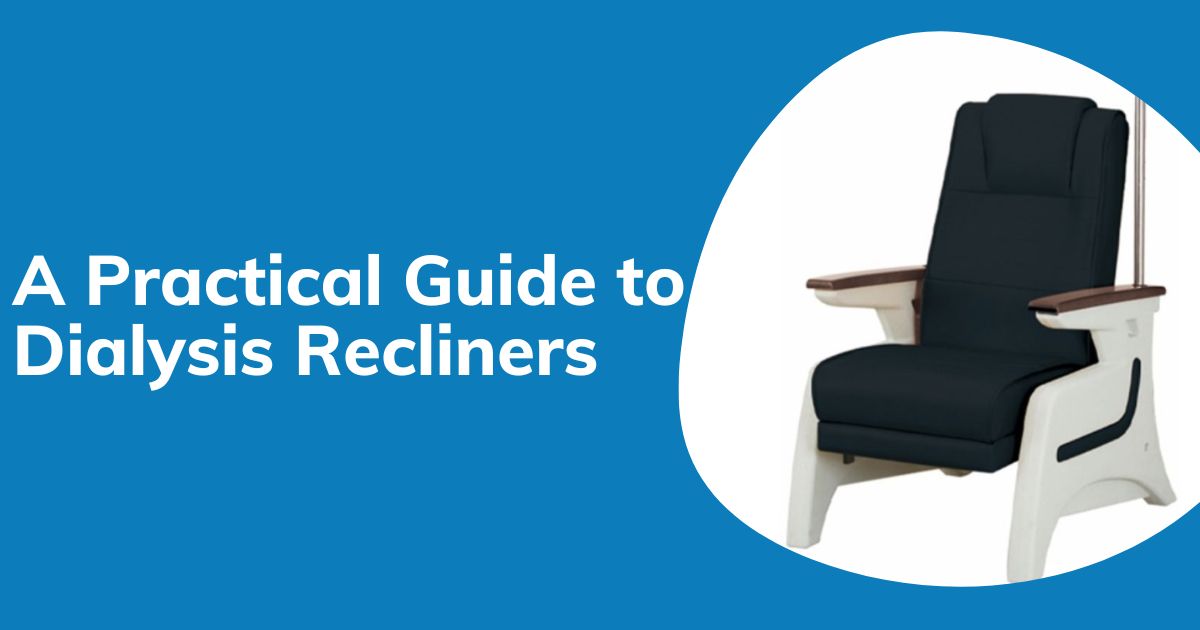
TL;DR: The best dialysis recliner chairs combine patient comfort, infection control, easy mobility, durable construction, safe positioning, and low-maintenance design for high-cycle clinical use.
A dialysis recliner chair is a purpose-built medical chair designed for patients who undergo long dialysis sessions. The ideal chair should provide adjustable positioning, pressure redistribution, moisture-resistant upholstery, lockable casters, safe patient transfers, easy cleaning, durable mechanisms, and emergency positioning features while supporting efficient clinical workflows.
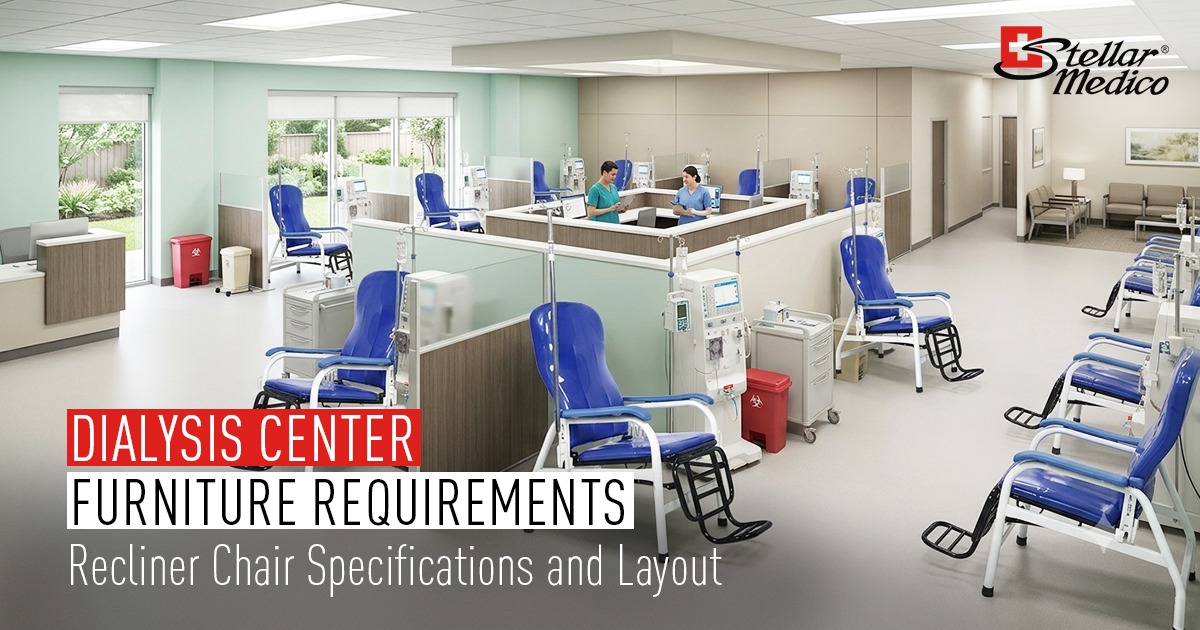
Dialysis units are among the busiest zones in any hospital or clinic. Patients occupy chairs for hours at a time, multiple times per week and staff must juggle infection control, comfort and workflow efficiency at every sitting. That’s why medical recliner chairs designed specifically for dialysis, often called dialysis recliners or a good hospital recliner chair are essential. The right recliner protects patient safety and dignity while standing up to the rigours of high-cycle use.
This guide walks through moisture control, mobility features and maintenance best practices so your dialysis furniture investment keeps working day after day.
Dialysis environments are unique: long treatment times, repeated patient turnover and frequent exposure to fluids and cleaning agents. General seating will not survive these conditions and may compromise hygiene or comfort. Investing in purpose-built medical recliner chairs ensures the seating meets clinical standards for stability, cleanability and ergonomics. A proper hospital recliner chair makes nursing tasks easier, reduces patient movement during cannulation and supports long dwell times comfortably, all of which translate into better outcomes and fewer interruptions.
Also Read: A Guide to Smart Beds and Connected Recliners That Transform Critical Care Workflows

One of the biggest design challenges for medical recliner chairs in dialysis units is moisture. Treatments involve fluids, disinfectants and accidental spills. Choosing upholstery and padding that resist absorption is non-negotiable. Contemporary healthcare recliners combine closed-cell foams and medical-grade, low-permeability vinyl or polyurethane coverings that tolerate repeated cleaning. For dialysis, look for recliners whose seams are welded or taped to prevent liquid ingress, these features make a dialysis recliner easier to disinfect and dramatically lower the risk of microbial growth. A good hospital recliner chair specification includes material data sheets that confirm resistance to cleaners used in your facility.
Mobility is another crucial requirement. Dialysis clinics need seating that can be repositioned quickly to align seats with treatment lines, to create space or to move a patient for imaging. Medical recliner chairs should have heavy-duty, lockable casters that roll smoothly on clinical floors and reliable braking systems to prevent movement during cannulation. The right dialysis recliners also integrate handles and transfer arms that support safe, assisted transfers without placing strain on staff. A well-designed hospital recliner chair reduces manual handling injuries and speeds patient flow in fast-paced units.
Comfort is not a luxury during a four-hour dialysis session, it’s a clinical necessity. Medical recliner chairs for dialysis use must provide pressure redistribution, adjustable leg support and multiple recline positions to reduce the risk of pressure injuries and venous stasis. Healthcare recliners with memory foam inserts or layered foam construction can maintain shape over thousands of cycles, ensuring that each dialysis chair for patients continues to support comfort over the life of the product. Clinicians should test recliners with real patients to evaluate comfort under treatment conditions before committing to a large purchase.
Dialysis units must combine routine wipe-down cleaning with periodic deep disinfection. Medical recliner chairs must therefore be specified with surfaces that tolerate hospital-grade disinfectants without degrading or discoloring. Dialysis recliners should have removable and replaceable cushions where practical and all exposed hardware should be corrosion-resistant. Confirm that your hospital recliner chair upholstery passes manufacturer cleaning tests and request compatibility lists for the chemicals your facility uses. These details make daily infection control easier and extend the usable life of your chairs.
Also Read: Why Is Infection-Control Furniture Essential for Hospitals?
Dialysis chairs endure heavy, repetitive use, patients sit multiple times a day and chairs are cleaned between uses. This high cycle count demands robust frames, reinforced joints and durable mechanisms. Medical recliner chairs intended for dialysis must have stress-tested pivot points, commercial-grade actuators (for motorised chairs) and welded steel frames that resist sagging. When choosing dialysis recliners, examine cycle test data and warranty terms; a well-constructed hospital recliner chair offers not just initial comfort but predictable performance year after year.
Many clinics debate whether to use electric or manual medical recliner chairs. Electric models with smooth motorised adjustment are invaluable in high-acuity settings where quick, precise positional changes are needed. They reduce physical strain on staff and can often be preset for common positions. Manual recliners may be more economical and easier to maintain in low-volume units. For dialysis departments, electric dialysis recliners that include battery backups and simple hand-control interfaces often strike the best balance between convenience and reliability. Pairing the right option with a clear maintenance plan keeps the equipment in service longer.
Safety in dialysis seating goes beyond comfort. Medical recliner chairs should include secure anchoring points for pump lines, integrated IV poles or accessory mounts and emergency release mechanisms that allow rapid repositioning if a patient destabilises. When evaluating healthcare recliners, ensure that the design minimizes entrapment risk and that any restraint features comply with patient-rights and clinical guidelines. A thoughtfully specified hospital recliner chair helps staff respond quickly to alarms or complications without compromising patient dignity.
A proactive maintenance program keeps medical recliner chairs operational and avoids costly downtime. Build a service kit for each chair model containing spare castors, actuator fuses, upholstery panels and fasteners. Record model numbers and serials and schedule preventative service intervals focusing on moving parts and upholstery wear. For dialysis recliners, plan upholstery replacement cycles in your lifecycle budget because seating will show wear faster than other furniture. A practical maintenance plan extends the life of the dialysis chair for patients and safeguards your investment.
It’s tempting to buy on price alone, but the best purchasing decisions factor in total cost of ownership. High-quality medical recliner chairs may cost more upfront but save money by lasting longer, requiring fewer repairs and improving clinician efficiency. Evaluate upholstery longevity, mechanical warranties and service terms when estimating costs. Prioritising durable healthcare recliners and reliable dialysis recliners reduces replacement frequency and creates a better experience for patients and staff.
Specifying the right medical recliner chairs for dialysis means balancing moisture protection, mobility, comfort, durability and maintainability. Outline your clinic’s workflows, cleaning protocols and patient population first, then choose chairs that meet those real-world needs. Whether you prioritise motorised adjustments, seamless upholstery or lightweight portability, the right hospital recliner chair will support safer, more efficient dialysis treatments and reduce the long-term cost of ownership.
Choosing the best medical recliner chairs for dialysis is more than a furniture purchase, it’s an investment in patient safety, infection control and operational efficiency. The ideal dialysis recliners combine moisture-resistant materials, robust mobility features and easy maintenance to withstand high cycle use without sacrificing comfort. When you evaluate options, test chairs under realistic conditions, verify cleaning compatibility and ensure spare parts and service support are available.
Stellar Medico understands these practical demands. As a trusted supplier of hospital recliner chair solutions and long-cycle healthcare recliners, Stellar Medico supplies tested dialysis chair for patients models designed for heavy use, simple maintenance and consistent cleaning protocols. Their local support, clear product specifications and lifecycle planning help clinics choose and sustain the right seating for dialysis programs.
If you are equipping or upgrading a dialysis unit, partner with Stellar Medico for robust, high-cycle medical recliner chairs and dialysis recliners that combine clinical performance with patient comfort and keep your program running smoothly.
1. What features should a dialysis recliner chair have?
A dialysis recliner chair should have adjustable positioning, comfortable pressure-distributing support, moisture-resistant upholstery, lockable casters, safe transfer features, easy-clean surfaces, and durable construction. For high-volume dialysis units, battery backup, emergency-release mechanisms, accessory mounts, and reliable service support are also important.
2. How do dialysis recliner chairs improve patient comfort?
Dialysis recliner chairs improve patient comfort by providing adjustable back and leg positioning, pressure redistribution, ergonomic support, and stable seating during long treatment sessions. These features allow patients to change position safely and reduce discomfort associated with remaining seated for several hours.
3. Why is moisture-resistant upholstery important for dialysis chairs?
Moisture-resistant upholstery is important for dialysis chairs because it helps prevent fluid absorption, supports effective disinfection, and reduces the risk of contamination. Medical-grade vinyl or polyurethane coverings, closed-cell foams, and sealed or welded seams can make chairs easier to clean and more suitable for repeated clinical use.
4. How do dialysis recliner chairs support safe patient transfers?
Dialysis recliner chairs support safe patient transfers through stable frames, lockable casters, reliable braking systems, accessible handles, and transfer-friendly armrests. These features help patients move between wheelchairs and treatment chairs more safely while reducing unnecessary physical strain on healthcare staff.
5. How do you choose the right dialysis recliner chair for a clinic?
To choose the right dialysis recliner chair, evaluate patient comfort, positioning requirements, infection-control protocols, mobility, durability, cleaning compatibility, maintenance needs, workflow, and total cost of ownership. Clinics should also test chairs under realistic treatment conditions and verify warranty, spare-parts, and service support before making a large purchase.
Social Sharing: