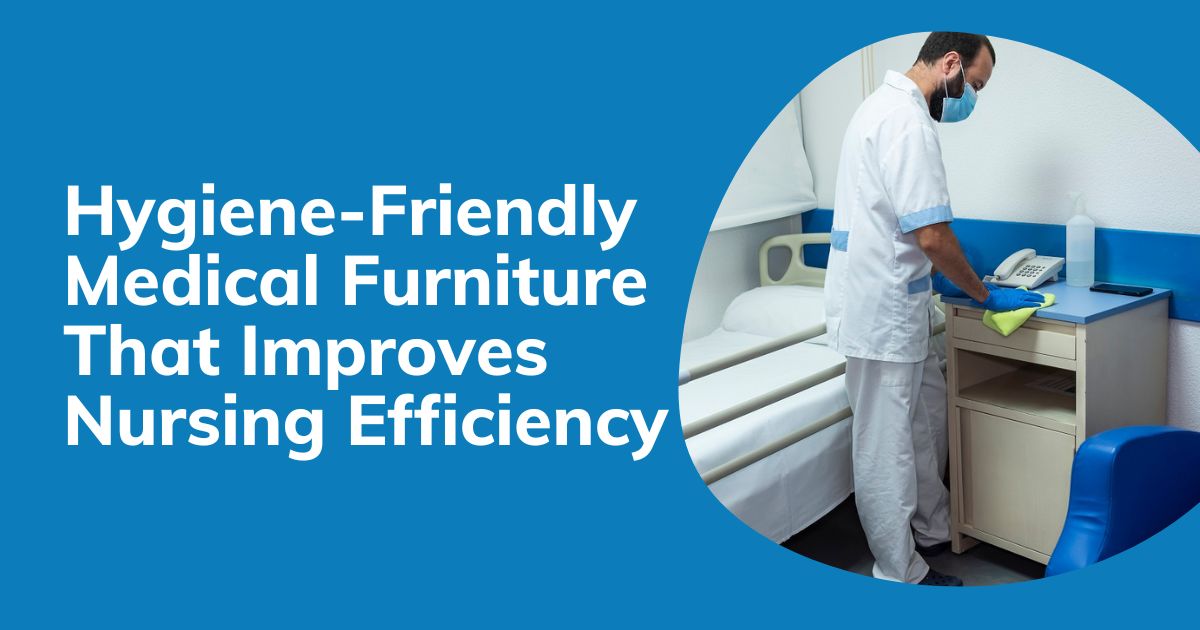
Maintaining hygiene in hospitals is not just a cleaning task, it is a critical patient safety responsibility. But hygiene doesn’t depend only on disinfectants or housekeeping. The design of hygienic medical furniture plays a major role in how efficiently nurses and healthcare teams can maintain infection-free environments. When furniture supports fast cleaning, easier disinfection and safe handling, nursing workflows improve naturally. From patient beds to storage units and recliners, thoughtfully designed easy-to-clean hospital furniture speeds up daily tasks, reduces infection risk and supports smoother caregiving routines. This is why modern healthcare environments are choosing nursing friendly furniture that protects both patients and staff while enhancing operational efficiency.
In this blog, we explore why hygiene-focused design is now a priority, essential features hospitals should demand, and how choosing the right supplier accelerates both cleanliness and care.
Nurses are always in motion, monitoring patients, handling equipment, preparing medications and supporting clinical procedures. Every additional minute spent cleaning or managing furniture is a minute taken away from patient care. Here’s why hygienic medical furniture matters so much for them:
For nursing teams battling hospital-acquired infection risks each day, easy-to-clean hospital furniture becomes an essential frontline defense in infection control.
Also Read: How to Select Finishes That Survive Daily Disinfectants Without Failing
In many traditional hospital setups, furniture was not designed for high-frequency cleaning. Small cracks, fabric seams and inaccessible corners trap contaminants. The result? More work for nurses and higher infection risk for patients. Modern hygienic medical furniture improves nursing efficiency with smart engineering:
Seamless Surfaces That Don’t Trap Germs
Non-porous materials reduce growth of bacteria and viruses, speeding disinfection.
Rounded Corners & Edge-Free Designs
No sharp corners = fewer contamination hotspots and safer care activities.
Waterproof and Chemical-Resistant Coatings
When furniture withstands strong disinfectants, durability and hygiene remain intact.
High-Mobility Construction
Nurses can reposition nursing friendly furniture quickly for patient handling and cleaning underneath.
Tool-Free Maintenance & Part Replacement
Fast upkeep means furniture stays in service longer without delays.
Every design choice that supports hygiene also supports nursing efficiency — the two are inseparable.
Let’s break down how specific products help nursing teams in real-life clinical environments.
Patient bedside cabinets, overbed tables, and IV stands are handled frequently by both staff and patients. Poorly made furniture becomes a contamination hub. High-quality hygienic medical furniture ensures:
This allows nurses to quickly reset the environment after every patient interaction.
Nursing desks and storage play a vital role in medication prep and documentation.
Nursing friendly furniture improves workflow by keeping supplies within safe reach, supporting minimal-touch operation, allowing fast turnover between shifts and withstanding continuous cleaning protocols. Because when nurses can move faster, patients receive care faster.
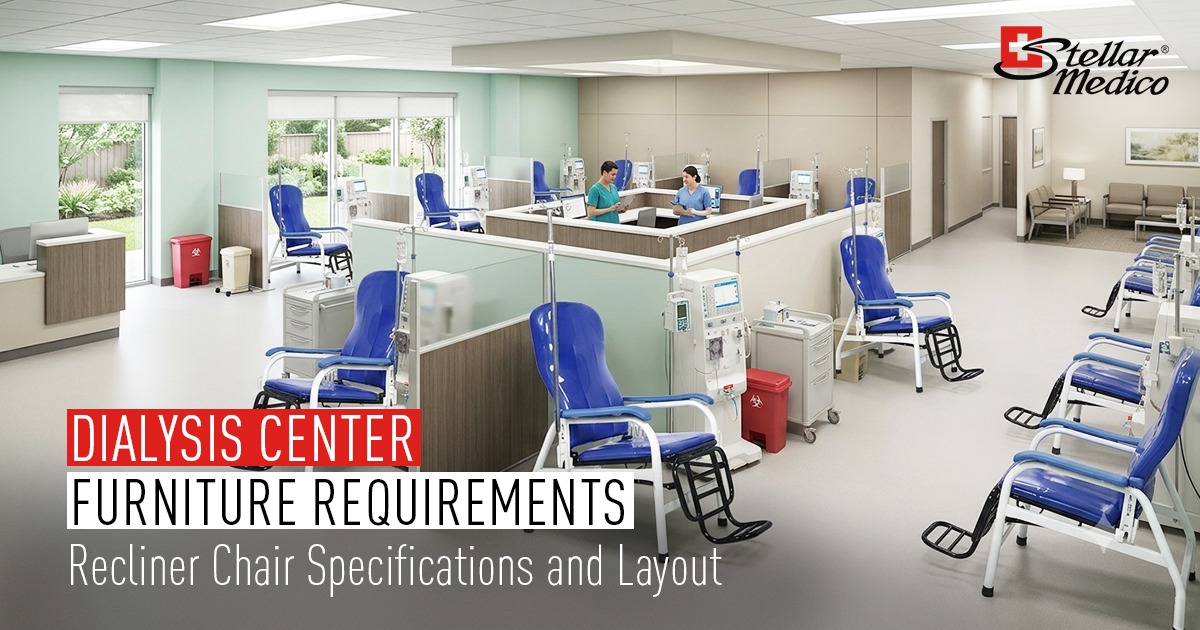
Emergency care, dialysis and chemotherapy units need furniture that survives heavy-duty use and constant disinfection. Therefore, easy-to-clean hospital furniture must be:
The result? Less time cleaning, more time caring.
Smartly engineered storage is a hygiene multiplier. When hygienic medical furniture includes smooth drawer interiors, soft-close mechanics, hands-free access options and durable finishes that resist disinfectant damage, it prevents cross-contamination and maintains a safe care environment daily.
Every contact point in a hospital is part of an infection chain. Reducing touches using design elements like integrated handrails, easy-roll castors on patient furniture and minimal hardware on drawers and surfaces helps to maintain sterility throughout nursing workflows. By removing friction from their routines, nursing friendly furniture reduces fatigue, mistakes and cleaning delays, promoting better patient recovery outcomes.
Also Read: Stainless vs Powder-Coated in the OT: How to Choose What Performs Best for Each Use-Case
Healthcare guidelines demand infection prevention, ergonomic safety, durable and long lifecycle usage. This means hygienic medical furniture must remain safe and functional even after thousands of cleaning cycles. Inferior coatings deteriorate under disinfectants, giving germs new hiding spots and forcing frequent replacements.
Choosing durable easy-to-clean hospital furniture reduces total cost of ownership and protects healthcare quality long-term.
Emerging trends supporting hygiene and efficiency include:
Hospitals planning long-term infrastructure upgrades are already shifting toward innovative nursing friendly furniture to support high patient load and constant cleaning demands.
The best hospital furniture design can fail without the right supplier who truly understands healthcare challenges from installation and space utilisation to infection control, durability and after-sales support. That’s why hospitals need partners who don’t just manufacture furniture, but elevate nursing efficiency and hygiene outcomes. Stellar Medico stands as that partner. As a leading medical furniture supplier, we provide hygienic medical furniture solutions engineered for quick disinfection, long-lasting performance and safer everyday caregiving. Our easy-to-clean hospital furniture enhances safety and efficiency across ICUs, OPDs, nursing stations, daycare units and isolation areas, reducing the workload on staff while maintaining strict infection control.
Every product we deliver is thoughtfully designed for smooth surfaces, ergonomic handling and compatibility with hospital-grade disinfection procedures, ensuring both patients and nurses remain protected. With custom configurations available for different specialties, we help hospitals create cleaner, smarter and more functional care spaces where caregivers can move freely and focus on patients, not cleaning cycles.
Choose Stellar Medico, where hygiene, efficiency and care work together to improve patient outcomes. Let’s build safer and smarter healing environments, starting today. Contact us to experience medical furniture that truly supports those who save lives.
Social Sharing: