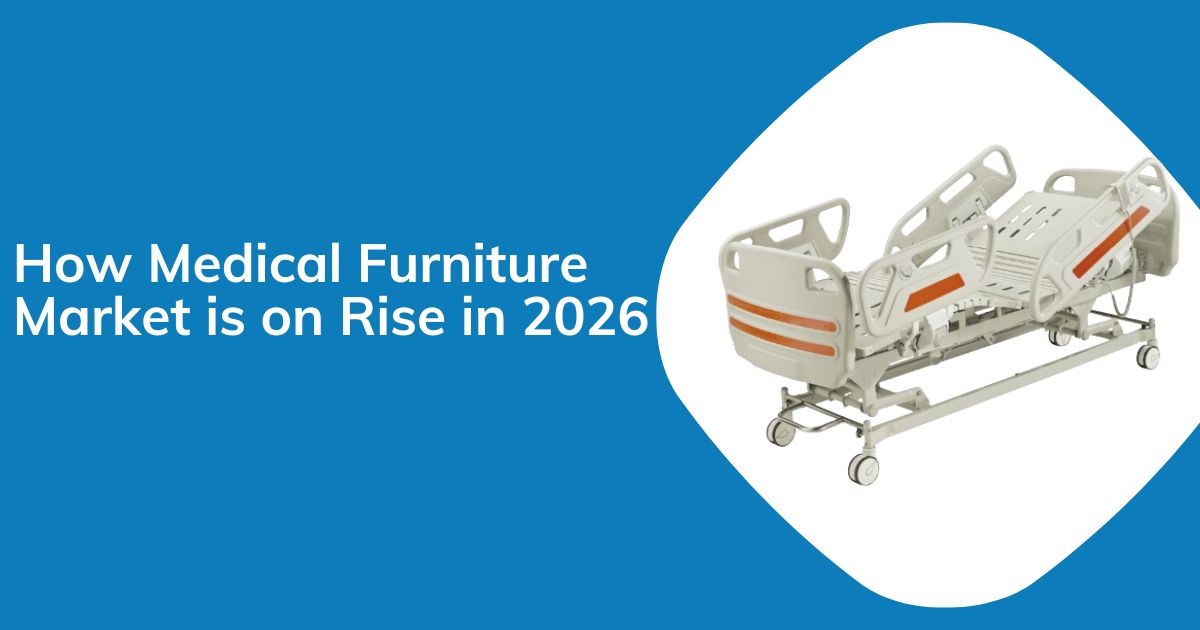
Healthcare is no longer just about treatment; it is about infrastructure, efficiency, safety and patient experience. As hospitals evolve into complex care ecosystems, the medical furniture market is witnessing a significant transformation in 2026. What was once considered a functional necessity has now become a strategic investment for healthcare providers worldwide.
From advanced hospital beds to ergonomic nursing stations, medical furniture is shaping how care is delivered. The momentum behind this shift is not accidental. It is driven by rising patient expectations, regulatory pressures, technological innovation and an increasing focus on infection control and caregiver efficiency.
The healthcare sector has undergone a structural reset in recent years and its effects are becoming more pronounced in 2026. Governments, private hospitals and specialty clinics are expanding capacity, upgrading infrastructure and modernising care environments. This has directly fuelled the medical furniture market, positioning it as one of the fastest-growing segments within healthcare infrastructure.
Hospitals are no longer purchasing furniture merely to fill space. Every investment decision is linked to outcomes, safety and operational performance. This shift is one of the strongest contributors to medical furniture market growth 2026, as furniture now plays a role in workflow optimisation and patient recovery.
The year 2026 marks a clear inflection point for the industry. Healthcare systems are moving from reactive spending to planned, long-term infrastructure development. As a result, the medical furniture market is benefiting from structured procurement cycles rather than emergency purchases.
One of the defining aspects of medical furniture market trends 2026 is the prioritisation of durability and adaptability. Facilities are seeking furniture solutions that can evolve with changing clinical needs rather than requiring frequent replacement.
Also Read: A Complete Guide to End-to-End Hospital Furniture Solutions
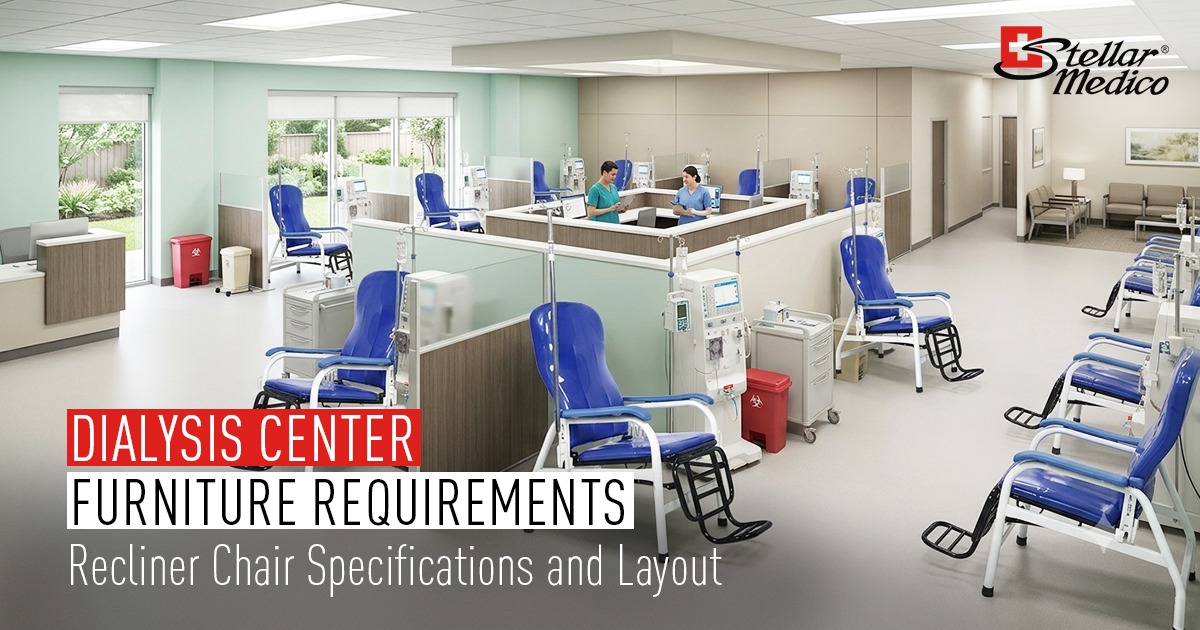
Hospital expansion projects across urban and semi-urban regions are a major growth driver. New ICUs, maternity wings, dialysis centres and outpatient departments require specialised furniture designed for specific care functions. This expansion is directly contributing to medical furniture market growth 2026.
Specialty care centres, in particular, demand customised furniture solutions that align with clinical protocols. This has pushed the medical furniture market beyond standardised products into a more design-led, purpose-built category.
Infection prevention has become a core parameter in healthcare procurement. Furniture surfaces, materials and designs are now evaluated for their role in reducing contamination risks. This focus has significantly influenced medical furniture market trends 2026.
Healthcare providers are investing in furniture that supports fast cleaning, minimal joints and antimicrobial compatibility. These requirements have elevated the strategic importance of furniture suppliers within the medical furniture market, transforming them into long-term partners rather than transactional vendors.
Also Read: Why Is Infection-Control Furniture Essential for Hospitals?
Another major factor accelerating the medical furniture market is the growing emphasis on staff well-being. Nurses and caregivers spend long hours interacting with furniture, making ergonomics a critical consideration.
Furniture that reduces physical strain improves staff efficiency and retention. This people-centric approach is a defining element of medical furniture market growth 2026, as hospitals recognise that better furniture supports better care delivery.
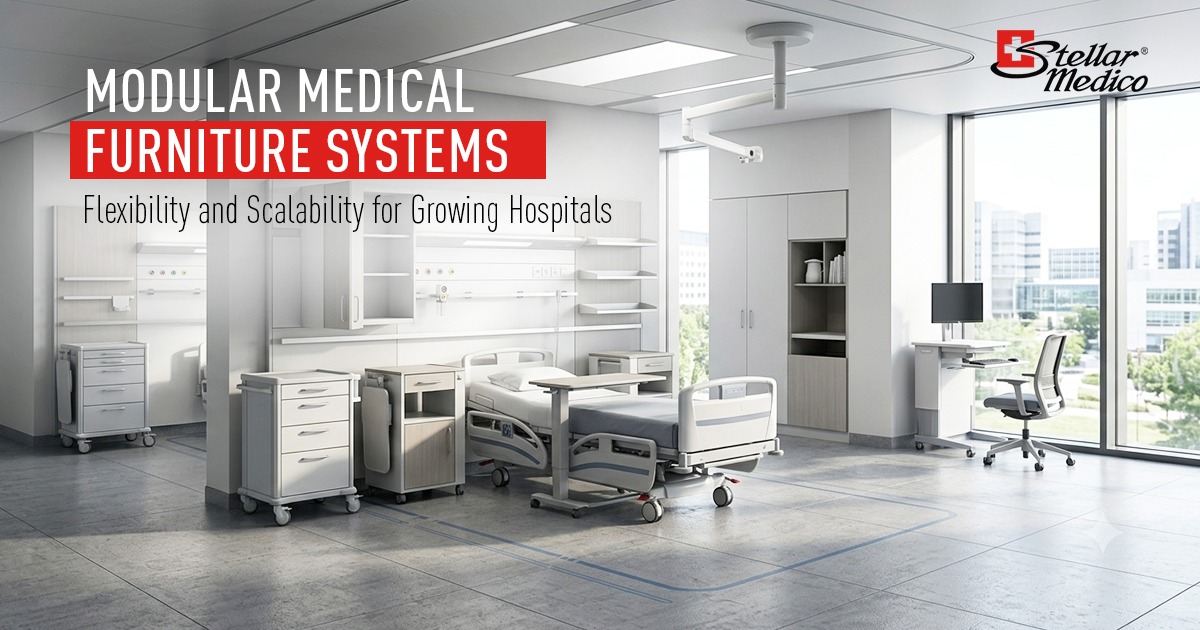
Technology is reshaping how medical furniture is designed and used. Adjustable beds, modular trolleys, and integrated monitoring compatibility are now expected features rather than optional upgrades. This evolution is redefining the medical furniture market.
Among the most impactful medical furniture market trends 2026 is the demand for furniture that supports smart healthcare environments. While furniture itself may not be digital, it must seamlessly integrate with medical devices and workflows.
Stricter healthcare regulations around safety, hygiene, and patient handling are pushing facilities to upgrade outdated furniture. Compliance requirements are playing a decisive role in medical furniture market growth 2026.
Furniture that meets international safety and quality standards is no longer a luxury. It is a necessity. This regulatory pressure has increased the value of reliable suppliers within the medical furniture market, especially those capable of consistent quality delivery.
Also Read: Key Documents Needed for Medical Furniture Imports: A Retailer’s Checklist
Sustainability is no longer limited to construction materials. Healthcare institutions are evaluating furniture based on lifecycle value, repairability, and environmental impact. These considerations are shaping medical furniture market trends 2026.
Durable materials, long service life, and reduced replacement cycles are becoming decisive factors. This shift benefits suppliers who focus on quality manufacturing and responsible sourcing within the medical furniture market.
Emerging economies are witnessing a surge in private healthcare investment, leading to rapid infrastructure development. This expansion is significantly contributing to medical furniture market growth 2026.
Private hospitals aim to differentiate themselves through patient experience, and furniture plays a visible role in this strategy. As a result, the medical furniture market is seeing increased demand for aesthetically refined yet clinically compliant solutions.
One of the most notable medical furniture market trends 2026 is the shift towards customisation. Hospitals want furniture that fits their spatial layouts, care protocols, and brand identity.
Standardised products are giving way to tailored solutions. This has elevated expectations from suppliers operating in the medical furniture market, making design understanding and manufacturing flexibility key differentiators.
Also Read: How Can Hospital Furniture Be Customized to Meet Specific Healthcare Needs?
Suppliers are no longer expected to merely deliver products. They are expected to understand clinical workflows, space constraints, and hygiene challenges. This evolution is strengthening the professional depth of the medical furniture market.
As procurement becomes more strategic, long-term supplier relationships are driving medical furniture market growth 2026, especially with suppliers capable of offering consistent quality and scalability.
Looking ahead, the medical furniture market is expected to maintain steady growth as healthcare systems continue to modernise. The trends emerging in 2026 will shape procurement strategies for years to come.
From smarter designs to infection-resistant materials, medical furniture market trends 2026 indicate a future where furniture is a foundational element of healthcare delivery rather than a background component.
The rise of the medical furniture market in 2026 reflects a deeper transformation in healthcare priorities. Furniture is no longer viewed as an operational afterthought but as a critical contributor to safety, efficiency and patient outcomes. The sustained focus on ergonomics, hygiene, technology compatibility, and long-term value is driving medical furniture market growth 2026 across global and regional healthcare systems.
We stand as a trusted medical furniture supplier serving this evolving healthcare landscape. As a supplier, we provide high-quality medical furniture solutions designed to meet modern hospital requirements, align with medical furniture market trends 2026 and support healthcare facilities in building efficient, hygienic and future-ready care environments.
If your healthcare facility is planning to upgrade or expand in 2026 and beyond, connect with us today. Choose a medical furniture supplier that understands the direction of the market and delivers solutions built for long-term performance, safety and care excellence.
Social Sharing: