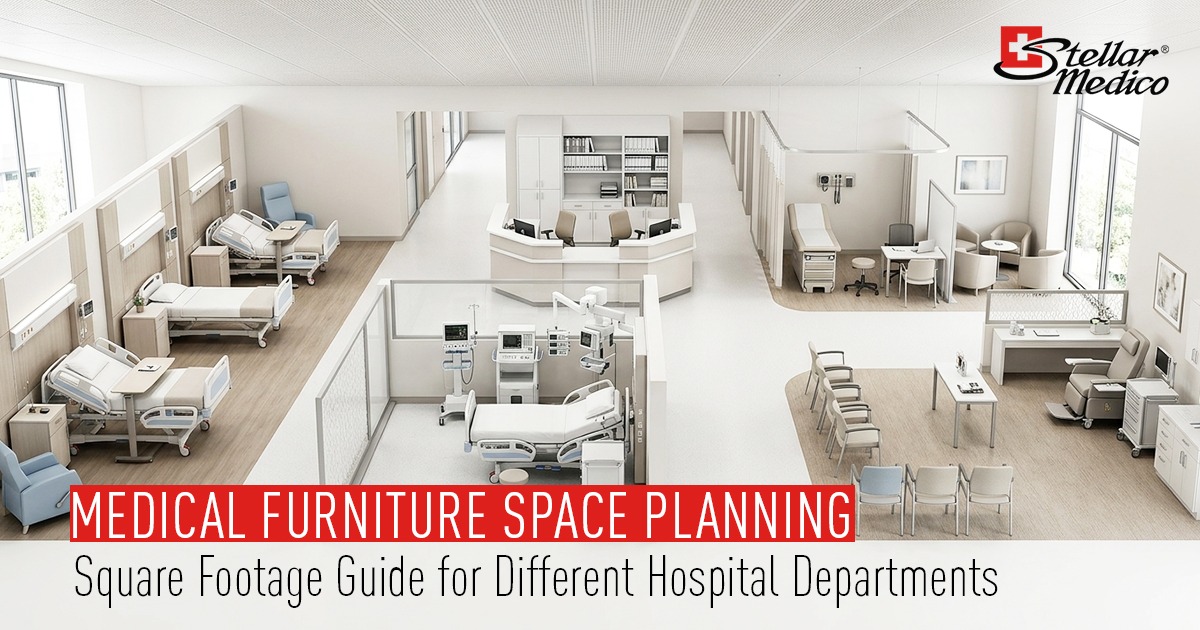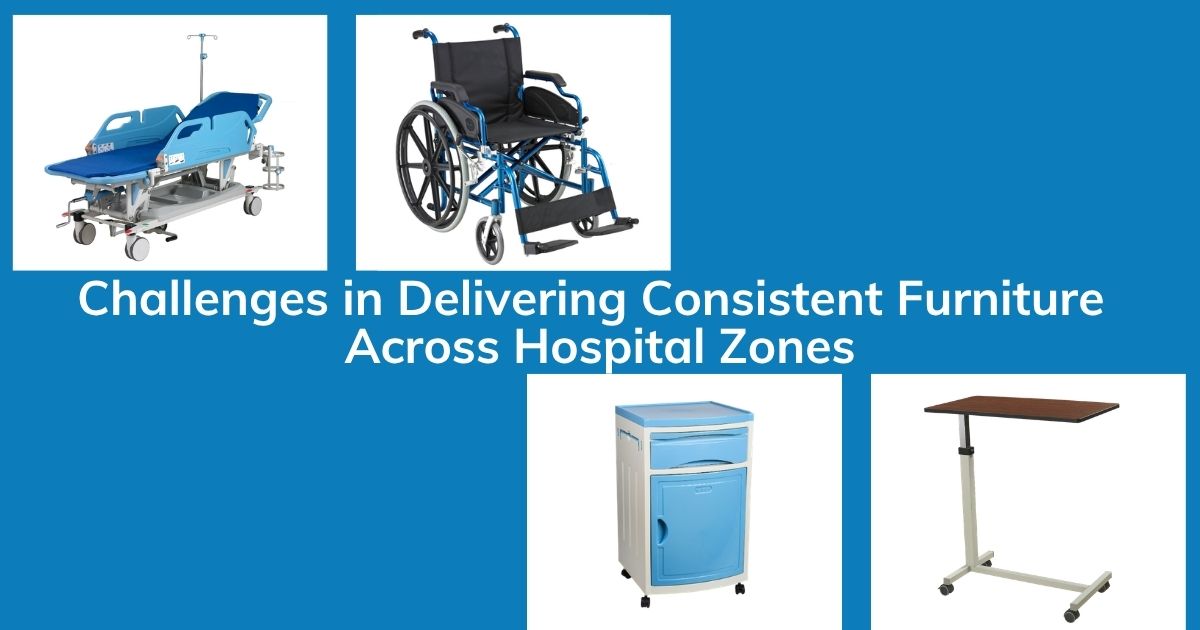
Hospitals are not single-purpose buildings. They are collections of very different environments working side by side, from intensive care units and operation theatres to waiting areas, wards, diagnostics and administrative zones.
That is exactly why hospital furniture standardization becomes so difficult. One item may need to survive aggressive cleaning in a clinical zone, support long patient stays in a ward and still look welcoming in a public-facing area.
In healthcare, furniture is not just an object; it is part of workflow, infection control and patient experience. Research and design guidance also show that furniture used in patient care often overlaps with non-patient-care areas, which makes consistency even harder to maintain across zones.
A common mistake is assuming that if a chair or trolley works in one department, it will work everywhere else too. In reality, each hospital zone has its own performance demands. A waiting area needs comfort, high turnover tolerance and a friendlier visual feel.
An ICU needs cleanability, mobility and durability under constant intervention. A storage or support area needs efficiency and easy maintenance. This is where consistent medical furniture design becomes more than a style choice; it becomes a way of matching the furniture to the zone without losing a unified hospital identity.
AHE’s furniture cleanability guidance and broader healthcare design writing both point out that standardized materials and furniture help manage complexity across different spaces, especially where furniture moves between zones.
The biggest challenge in multi-department hospital furniture planning is that every zone creates different wear patterns. Public areas see high footfall. Wards need long-term comfort. Procedure areas need surfaces that can be wiped repeatedly with hospital-grade cleaners. CDC guidance on environmental surfaces makes clear that medical and housekeeping surfaces are treated differently and that cleaning must be done using appropriate disinfectants and methods.
That means furniture that performs well in one area may fail sooner in another if the finish, shape or substrate was not chosen for that specific environment. When hospital furniture standardization ignores these differences, early wear and cleaning problems usually appear first at the edges: seams, contact points and high-touch surfaces.
One reason furniture consistency is hard to maintain is that not every zone gets the same cleaning routine. Patient-care areas, for example, may be disinfected more aggressively than administrative spaces.
AHE’s cleanability guidance is specifically designed to help manufacturers and healthcare professionals understand how furniture reacts to typical cleaners and disinfectants used in healthcare settings.
CDC guidance also emphasizes regular disinfection of environmental and medical equipment surfaces using appropriate hospital disinfectants. That means hospital furniture standardization is not just about choosing the same model everywhere; it is about choosing a family of products that can withstand the cleaning realities of each area while still looking and performing consistently.
Also Read: Why Is Infection-Control Furniture Essential for Hospitals?
When furniture does not match across zones, staff feel it immediately. Different heights, different drawer systems, different mobility behavior and different storage layouts all slow people down.
Healthcare design reporting has highlighted that standardizing furniture, materials and layouts can reduce decision-making time and help staff find what they need faster during care.
In practical terms, consistent medical furniture design supports faster movement, easier maintenance and a more predictable user experience for staff who move from one department to another. That is why multi-department hospital furniture planning must consider not only the needs of each zone but also the transitions between them.
A hospital can feel fragmented if each zone uses a completely different visual language. When waiting spaces, wards and treatment zones appear unrelated, the facility can feel disconnected and harder to navigate.
Strong hospital furniture standardization helps create a more coherent look and feel across the hospital without making every space identical. The goal is not sameness for its own sake. It is to create a controlled design system that supports brand identity, helps people orient themselves and gives the hospital a more organized atmosphere.
That is one reason hospital furniture design is often treated as part of the broader architectural language of the facility rather than a separate procurement decision.
Hospitals often manage multiple stakeholders, timelines and phases. One zone may open before another. One department may need a quick replacement, while another is part of a new build. That complexity is where hospital furniture suppliers and the hospital procurement team must work closely together.
A reliable hospital furniture manufacturer can help define material options and product families, while wholesale hospital furniture arrangements may help with quantity and cost. But without a strong standard, procurement can become fragmented, leading to a mix of styles, finishes and quality levels that are difficult to manage over time.
This is why hospital furniture standardization is so valuable in large facilities: it simplifies decisions while still allowing room-specific variation where needed.
Different furniture models often mean different spare parts, different cleaning methods, different service routines and different replacement timelines. Facilities that standardize furniture, materials and equipment can save time for maintenance and environmental services because the team is dealing with fewer variations. That is one reason multi-department hospital furniture planning should include maintenance from the start, not as an afterthought.
A strong hospital furniture standardization strategy reduces the number of products facilities have to train on, repair, stock and replace. It also makes hospital furniture & infrastructure solutions easier to manage over the long run.
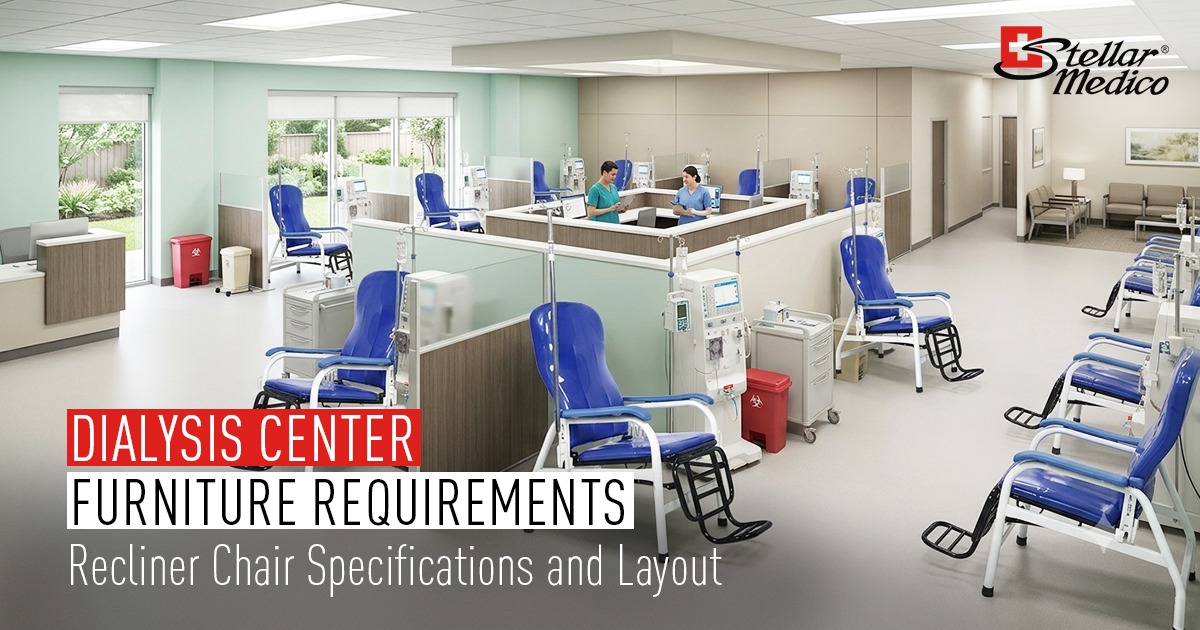
Hospitals do need flexibility. A pediatric waiting zone is not the same as a dialysis suite and a procedure room is not the same as an admissions area. But customization becomes a problem when every zone is treated like a completely separate project. That is why custom made hospital furniture should be used selectively inside a broader standard framework.
The smartest approach is usually to standardize core elements such as materials, dimensions, handles, finishes and serviceability, while customizing only the parts that truly need to change. This keeps consistent medical furniture design intact while still allowing each department to function properly.
Also Read: How Modern Medical Furniture is Revolutionizing Healthcare Design
When furniture is inconsistent across zones, infection control teams face more variables. Different seams, different materials and different wear rates can create cleaning gaps.
CDC guidance emphasizes regular disinfection of environmental and medical equipment surfaces, while AHE’s furniture guidance is built around how materials behave under cleaning and disinfecting conditions.
A well-structured hospital furniture standardization approach reduces those weak links by limiting surface variation, simplifying cleaning protocols and making the facility easier to maintain safely. This is especially important in high-risk areas where hospital furniture design directly affects cleanability and operational hygiene.
Also Read: Hygiene-Friendly Medical Furniture That Improves Nursing Efficiency
The answer is not to make every zone identical. The answer is to create a controlled furniture system. Start with a common material library. Then set rules for handles, finishes, upholstery, cleanability and durability.
Use those standards to guide each department’s product selection. That approach makes hospital furniture standardization practical rather than rigid. It also gives procurement teams a clearer way to coordinate multi-department hospital furniture planning without creating chaos in the hospital’s look, feel or maintenance process.
In large facilities, good hospital furniture solutions are the ones that balance consistency with the functional reality of each zone.
The challenge of consistency is not only internal, it also depends on whether the supplier understands the hospital’s operational structure. The best outcomes usually come from hospital furniture companies that can support standard ranges, coordinated rollouts and zone-specific adaptation without breaking the overall system.
A dependable supplier can help align consistent medical furniture design with the actual demands of patient-care zones, public spaces and support areas. That is why hospital furniture standardization works best when the supplier is thinking about the entire hospital, not just individual product orders.
Also Read: How Stellar Medico Ensures Quality as a Medical Furniture Supplier
Delivering consistent furniture across hospital zones is challenging because each zone has different cleaning demands, workflow pressures and user needs. But those challenges can be managed when hospitals treat furniture as part of the operational system rather than as isolated purchases.
A strong hospital furniture standardization strategy supports cleaner maintenance, smoother procurement and more predictable patient and staff experiences. It also keeps consistent medical furniture design intact while giving each department what it needs.
In the real world, the best multi-department hospital furniture planning is the one that reduces complexity without reducing performance.
Stellar Medico, as a medical furniture supplier, understands that hospitals need more than individual products. They need dependable supply, thoughtful product coordination and hospital furniture & infrastructure solutions that support consistency from one zone to the next.
If your facility is looking to simplify procurement and build a more unified environment, connect with us today and source hospital furniture solutions that bring consistency, clarity and confidence across every department.
Why is hospital furniture standardization important in large facilities?
Hospital furniture standardization helps large hospitals reduce confusion, simplify maintenance and create a more predictable environment across departments. When materials, finishes and product families are coordinated, staff can move more easily between zones and maintenance teams have fewer systems to manage. It also supports better procurement planning over time.
How does consistent medical furniture design help staff?
Consistent medical furniture design helps staff work faster because they do not need to adjust to different product behaviors in every department. When chairs, tables, storage and carts follow a shared design logic, the hospital becomes easier to navigate and maintain.
It also reduces the chance of workflow interruptions caused by unfamiliar layouts or hardware differences.
What makes multi-department hospital furniture planning difficult?
Multi-department hospital furniture planning is difficult because every zone has different hygiene, durability and workflow demands. An ICU, an outpatient area and a public waiting space will not use furniture in the same way. The challenge is to keep a unified standard while still allowing each department to function properly.
Should hospitals use custom made hospital furniture everywhere?
Not everywhere. Custom made hospital furniture is useful when a department has a special workflow, space requirement, or patient need. But if everything is customized separately, the hospital can lose consistency and create maintenance problems. The better approach is to standardize the core system first and customize only where truly necessary.
How can hospitals choose better hospital furniture solutions?
Hospitals should look for hospital furniture solutions that balance cleanability, durability, workflow efficiency and visual consistency. The best results usually come from suppliers who understand hospital operations and can help build a standard furniture framework with room for department-specific adjustments.
Social Sharing: