Hospital renovations involve much more than upgrading infrastructure. Every decision impacts patient care, staff efficiency and the smooth functioning of the facility. While construction often takes priority, medical furniture for hospital renovation is just as important. From patient beds and nursing stations to medical trolleys and waiting area seating, the right furniture supports everyday healthcare operations and helps prevent delays, workflow disruptions and unnecessary costs.
This is where hospital renovation furniture planning makes a real difference. Planning furniture alongside the renovation ensures timely procurement, coordinated installation and minimal disruption to hospital services.
In this blog, we’ll explore how strategic medical furniture planning contributes to efficient renovations, improved healthcare environments, and long-term operational success.
Hospital renovation projects involve multiple teams working simultaneously, including architects, contractors, engineers, medical departments and facility managers. Without proper medical furniture for hospital renovation planning from the earliest stages, furniture decisions often become rushed toward the end of the project.
This approach can create several avoidable challenges. Spaces may not be optimized for the selected furniture, storage requirements may be overlooked and installation schedules may conflict with ongoing construction work.
Effective hospital renovation furniture planning ensures that furniture dimensions, room layouts, equipment placement, utility connections and circulation spaces are considered together. This integrated approach allows hospitals to create environments that function efficiently from the very first day of operation.
Early planning also simplifies furniture procurement during renovation, giving procurement teams enough time to evaluate product specifications, coordinate delivery schedules, and minimize unexpected delays that could impact project completion.
Unlike commercial buildings, hospitals rarely shut down completely during renovation projects. Many departments continue treating patients while construction activities take place in phases. This makes careful planning even more critical.
Strategic hospital renovation furniture planning helps healthcare facilities organize renovation work without compromising essential services. Departments can relocate temporarily while maintaining access to necessary medical furniture and equipment.
Proper hospital upgrade furniture planning enables hospitals to determine which furniture can remain operational, which items require replacement, and which departments need priority during each renovation phase.
This organized approach reduces unnecessary movement of furniture, minimizes disruptions for healthcare professionals, and helps maintain smooth patient care despite ongoing construction activities.
Additionally, carefully managed phased furniture installation hospital strategies allow renovated departments to become operational immediately after completion rather than waiting for all furniture deliveries to arrive simultaneously.
Modern hospitals are designed around efficiency. Every treatment room, nursing station, ICU, ward, diagnostic area and waiting lounge must support smooth movement for both patients and medical professionals.
Selecting medical furniture for hospital renovation without considering workflow can lead to overcrowded spaces, difficult equipment access or inefficient room layouts.
Strategic hospital renovation furniture planning focuses on how furniture interacts with daily hospital activities. Patient transfer routes, emergency access, nursing visibility, equipment storage and cleaning processes all influence furniture selection.
For example, treatment areas require furniture that allows quick access during emergencies, while waiting areas should offer comfortable seating without obstructing circulation. Nursing stations benefit from storage solutions that improve accessibility while reducing unnecessary staff movement.
Careful hospital upgrade furniture planning helps ensure that every department functions as efficiently after renovation as it was intended during the design stage.
One of the most common reasons hospital renovation projects exceed their timelines is delayed procurement. Furniture orders placed too late can postpone department openings even after construction has been completed.
Efficient furniture procurement during renovation requires close coordination between project managers, procurement teams, suppliers and installation schedules.
Hospitals benefit from identifying furniture requirements early, finalizing specifications, confirming quantities and scheduling deliveries according to construction milestones rather than placing last-minute orders.
This approach also allows flexibility when project timelines change. Furniture deliveries can be adjusted to match revised schedules, reducing storage concerns and preventing unnecessary handling.
Proper furniture procurement during renovation also provides opportunities to standardize furniture across departments, improving maintenance efficiency and simplifying future replacements.
Large healthcare facilities often renovate one department at a time to maintain continuous operations. This phased approach requires careful coordination between construction teams and furniture suppliers.
A well-executed phased furniture installation hospital strategy ensures that completed departments receive furniture immediately after construction finishes. This minimizes downtime and allows services to resume without unnecessary waiting periods.
Instead of delivering every product at once, phased installations align furniture delivery with each renovation stage. This reduces congestion on-site, protects furniture from construction damage, and simplifies installation logistics.
Strategic hospital renovation furniture planning makes phased implementation far more manageable by identifying installation priorities long before construction begins.
Combined with efficient hospital upgrade furniture planning, phased installations help hospitals maintain operational continuity while progressively modernizing their facilities.
Hospital renovations are significant investments intended to improve healthcare delivery for many years. Furniture should therefore be selected not only for current needs but also for long-term durability and adaptability.
High-quality medical furniture is designed to withstand continuous daily use, frequent cleaning, and demanding healthcare environments. Selecting durable products reduces maintenance requirements and extends replacement cycles.
During medical furniture for hospital renovation planning, hospitals should also consider future expansion, evolving healthcare technologies and changing patient care requirements.
Flexible furniture solutions can accommodate evolving departmental needs without requiring major infrastructure modifications later.
Many hospital furniture suppliers now provide healthcare-focused furniture designed specifically for demanding clinical environments. Similarly, experienced medical furniture suppliers understand the importance of supplying products that integrate smoothly into hospital operations while supporting long-term reliability.
Healthcare facilities also increasingly work with established healthcare furniture suppliers capable of providing coordinated product ranges across multiple departments, ensuring greater consistency throughout renovated spaces.
Hospital renovations often involve significant investments, making budgeting a critical part of the overall project. However, reducing costs should never come at the expense of quality, durability, or patient safety. Strategic hospital renovation furniture planning helps healthcare facilities make informed purchasing decisions that align with both operational needs and long-term financial goals.
Rather than replacing every item indiscriminately, hospitals can assess existing furniture, identify pieces that remain functional and prioritize upgrades where they will have the greatest impact. This balanced approach supports better resource allocation throughout the renovation.
Well-organized furniture procurement during renovation also helps eliminate rushed purchases, duplicate orders and unnecessary transportation costs. By planning procurement schedules in advance, hospitals can achieve greater efficiency while ensuring every department receives the furniture it requires at the appropriate stage of the project.
Today’s healthcare environments require furniture that goes beyond basic functionality. It must support infection control practices, withstand intensive daily use, simplify cleaning procedures and contribute to patient comfort without compromising operational efficiency.
As part of medical furniture for hospital renovation, healthcare facilities increasingly prioritize furniture made from durable materials that are suitable for demanding clinical settings. Features such as smooth surfaces, easy maintenance, ergonomic designs and mobility contribute significantly to everyday hospital operations.
Patient rooms benefit from comfortable and adjustable furniture, while emergency departments require products that facilitate rapid response and easy accessibility. Nursing stations need efficient storage and waiting areas should provide comfort while maintaining organized patient flow.
Comprehensive hospital upgrade furniture planning ensures that every department receives furniture appropriate to its specific function rather than applying a one-size-fits-all approach across the entire facility.
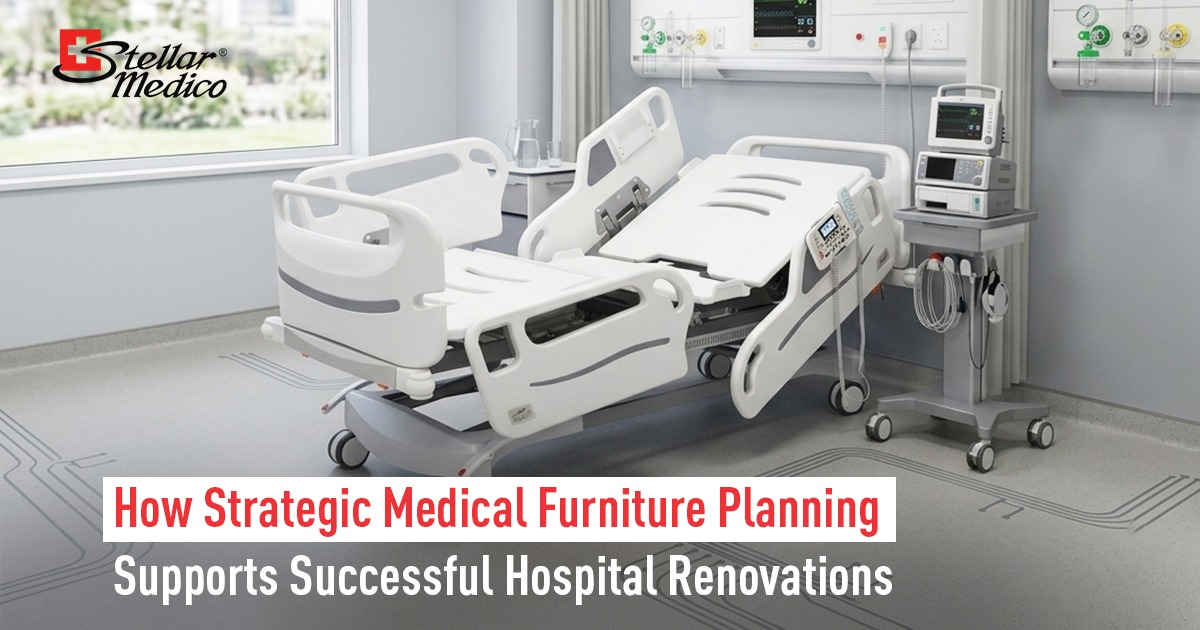
In many renovation projects, healthcare organizations also coordinate with experienced patient beds and accessories suppliers to ensure patient accommodation areas are equipped with reliable and functional solutions that complement upgraded infrastructure.
Successful hospital renovations rely on seamless communication among architects, contractors, procurement teams, facility managers and hospital furniture suppliers. Even the best renovation designs can encounter delays if furniture deliveries, installation schedules and construction timelines are not aligned.
Strategic hospital renovation furniture planning establishes clear timelines for approvals, procurement, delivery and installation. This allows each stakeholder to understand project milestones and coordinate activities efficiently.
Strong coordination also improves phased furniture installation hospital processes by ensuring furniture arrives only when completed spaces are ready. This minimizes storage issues, protects products from construction-related damage, and allows renovated departments to become operational more quickly.
Similarly, organized furniture procurement during renovation enables suppliers to prepare deliveries according to project phases, reducing last-minute disruptions that could delay healthcare services.
Hospitals undertaking large-scale modernization projects often collaborate with experienced medical equipment furniture suppliers capable of providing coordinated solutions across multiple clinical departments while maintaining consistency in product quality and specifications.
Hospital renovations should not only solve present-day challenges but also prepare facilities for future healthcare demands. Medical technologies continue to evolve, patient expectations are changing, and healthcare facilities increasingly require adaptable spaces that can respond to operational growth.
Thoughtful medical furniture for hospital renovation supports this long-term vision by incorporating flexibility into furniture selection. Modular workstations, adaptable storage systems, mobile furniture and multifunctional solutions make it easier for hospitals to accommodate future changes without extensive modifications.
Forward-looking hospital upgrade furniture planning also considers future maintenance requirements, replacement cycles and departmental expansion. Investing in adaptable furniture today reduces disruption and costs when future upgrades become necessary.
Many healthcare organizations additionally evaluate suppliers with global sourcing capabilities, including hospital equipment suppliers China, when exploring suitable product options that align with their procurement strategies and project requirements.
Ultimately, combining strategic planning with reliable procurement practices creates healthcare environments that remain functional, efficient, and prepared for evolving patient care needs.
Hospital renovations represent an opportunity to improve far more than the appearance of a healthcare facility. When approached strategically, they enhance operational efficiency, strengthen patient experiences, support healthcare professionals and create spaces that remain functional for years to come. Integrating medical furniture for hospital renovation into the earliest stages of project planning ensures that furniture selection, procurement and installation progress alongside construction rather than becoming an afterthought.
From effective furniture procurement during renovation and structured furniture planning to well-coordinated phased furniture installation hospital strategies, every step contributes to a smoother renovation process and a more successful outcome.
As a trusted medical furniture supplier, Stellar Medico supplies reliable medical furniture solutions designed for demanding healthcare environments. With a comprehensive range of hospital furniture products tailored to diverse clinical needs, we support healthcare facilities with dependable supply solutions for renovation and expansion projects.
If you’re planning your next hospital renovation, partner with us to source quality medical furniture that helps bring your upgraded healthcare environment to life with confidence.
Social Sharing: