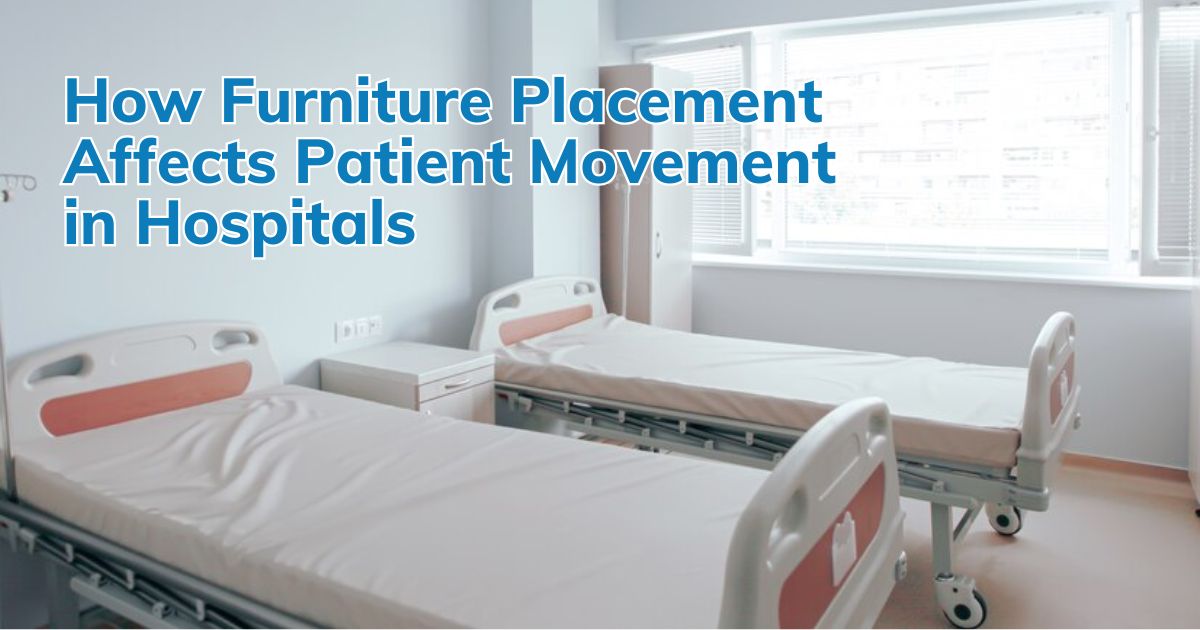
Hospitals are designed to save lives, improve recovery and support efficient healthcare delivery. Yet, one often overlooked factor can dramatically influence how smoothly a hospital functions every single day is furniture placement. From crowded corridors to poorly positioned patient beds, even small layout decisions can affect patient safety, staff efficiency and the overall healthcare experience.
This is why hospital furniture layout planning has become a critical part of modern healthcare infrastructure. Hospitals today are not just focusing on aesthetics; they are carefully designing spaces that support seamless movement, faster care delivery and safer patient handling.
When furniture is placed strategically, patient flow in hospitals becomes smoother, medical teams work more efficiently and patients feel less stressed navigating unfamiliar healthcare environments. On the other hand, poor hospital space planning design can create delays, increase accidents and negatively impact operational efficiency.
As healthcare environments continue evolving, the role of furniture placement in hospital functionality has never been more important.
In a hospital, movement is constant. Patients are transported between departments, nurses move equipment rapidly, emergency teams respond to urgent situations and visitors navigate hallways daily.
Without proper hospital furniture layout planning, these movements can quickly become chaotic.
Furniture that blocks pathways, overcrowds patient rooms or restricts equipment mobility creates unnecessary delays and safety risks. In critical environments such as ICUs or emergency units, even a few seconds lost due to poor layout can affect treatment efficiency.
Effective hospital space planning design ensures that movement remains intuitive, fast and safe for everyone within the facility.
Well-planned healthcare environments reduce bottlenecks, improve accessibility and support smoother patient flow in hospitals throughout the day.
Also Read: 5 Design Tips for Patient Rooms That Feel Comfortable and Functional
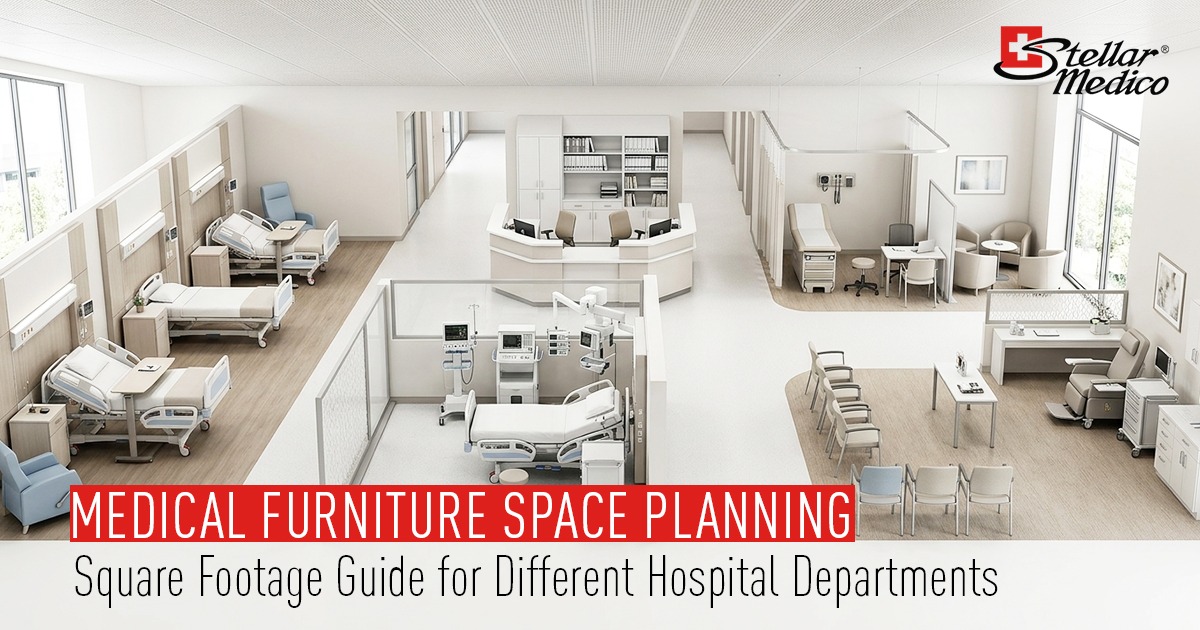
The design of individual patient rooms directly influences how easily patients can move, recover and interact with caregivers.
A thoughtful patient room design prioritizes accessibility, comfort, and functionality simultaneously. Beds must allow easy access from multiple sides, medical equipment should remain reachable without obstructing pathways and caregivers need enough clearance to assist patients safely.
When hospital furniture layout planning is ignored at the room level, patients may struggle with mobility, especially elderly or post-surgical individuals.
Proper patient room interior design ensures that patients can move more independently while reducing strain on caregivers.
The best hospital room design layout creates a balance between medical functionality and human comfort.
Hospital corridors are not simply passageways. They are critical operational zones that support emergency response, equipment transport and patient transfers.
Poor hospital furniture layout planning in corridors can slow down stretchers, wheelchairs and emergency carts during crucial moments.
Large furniture pieces, waiting area seating or temporary equipment placements can unintentionally create congestion points.
Efficient hospital space planning design keeps pathways clear while ensuring furniture remains functional and accessible.
When hospitals optimize corridor layouts, patient flow in hospitals becomes significantly more organized and efficient.
This is especially important in high-traffic areas such as emergency departments, OPDs and surgical units.
Healthcare professionals work in highly demanding environments where speed and accessibility matter constantly.
If storage units, trolleys, bedside tables or workstations are poorly positioned, staff may waste valuable time navigating obstacles or walking unnecessarily long distances.
This is where hospital furniture layout planning supports operational productivity.
Well-positioned medical furniture reduces physical strain, improves workflow and helps healthcare workers focus more on patient care rather than environmental challenges.
Thoughtful healthcare furniture design allows staff to access supplies, equipment and patient records more efficiently.
As hospitals handle increasing patient volumes, smarter hospital space planning design becomes essential for reducing workflow interruptions.
Emergency rooms operate under intense pressure where every second matters.
In these environments, poor furniture placement can quickly become dangerous.
Stretchers need rapid access to treatment areas, emergency equipment must remain instantly reachable and medical teams require unobstructed movement during procedures.
This is why hospital furniture layout planning in emergency departments focuses heavily on mobility and accessibility.
A strong hospital room design layout minimizes unnecessary barriers and ensures rapid response capabilities.
Efficient patient flow in hospitals is especially critical in emergency settings where overcrowding can severely affect treatment speed.
Strategically placed medical furniture design helps emergency teams move faster and work more effectively under pressure.
Critical care units require some of the most advanced levels of hospital space planning design.
ICU rooms contain multiple devices, monitoring systems and support equipment around each patient. Without organized furniture placement, these environments can quickly become cluttered and unsafe.
Proper hospital furniture layout planning ensures that ventilators, monitors, infusion pumps and caregiver access points remain organized and functional.
In critical care, patient room design must support both intensive treatment and emergency accessibility simultaneously.
Well-planned interior design of hospital rooms in ICUs reduces caregiver fatigue while improving patient safety.
Every inch of space matters in critical care settings, making layout precision essential.
Furniture placement in waiting areas also affects hospital navigation and comfort.
Overcrowded seating arrangements can make patients feel stressed, confused and uncomfortable.
Poorly arranged waiting zones may obstruct pathways, slow movement and increase frustration among visitors.
Effective hospital furniture layout planning ensures waiting spaces remain organized without disrupting circulation.
A well-designed hospital space planning design creates smoother transitions between departments while maintaining patient comfort.
Modern healthcare furniture design also focuses on reducing visual clutter to create calmer environments.
This contributes positively to patient flow in hospitals and improves overall visitor experience.
Also Read: Best Waiting Area Furniture for Hospitals: A Planning Guide
Hospitals serve people with varying physical abilities, including elderly patients, wheelchair users and individuals recovering from surgeries or injuries.
Furniture placement must support universal accessibility standards.
Poor hospital furniture layout planning can unintentionally restrict wheelchair access, create fall hazards or make patient transfers more difficult.
Proper hospital room design standards emphasize clear movement paths, ergonomic positioning and sufficient turning space.
A smart patient room interior design supports safer navigation for all users regardless of mobility limitations.
Hospitals that prioritize accessibility through better hospital space planning design create more inclusive and safer healthcare environments.
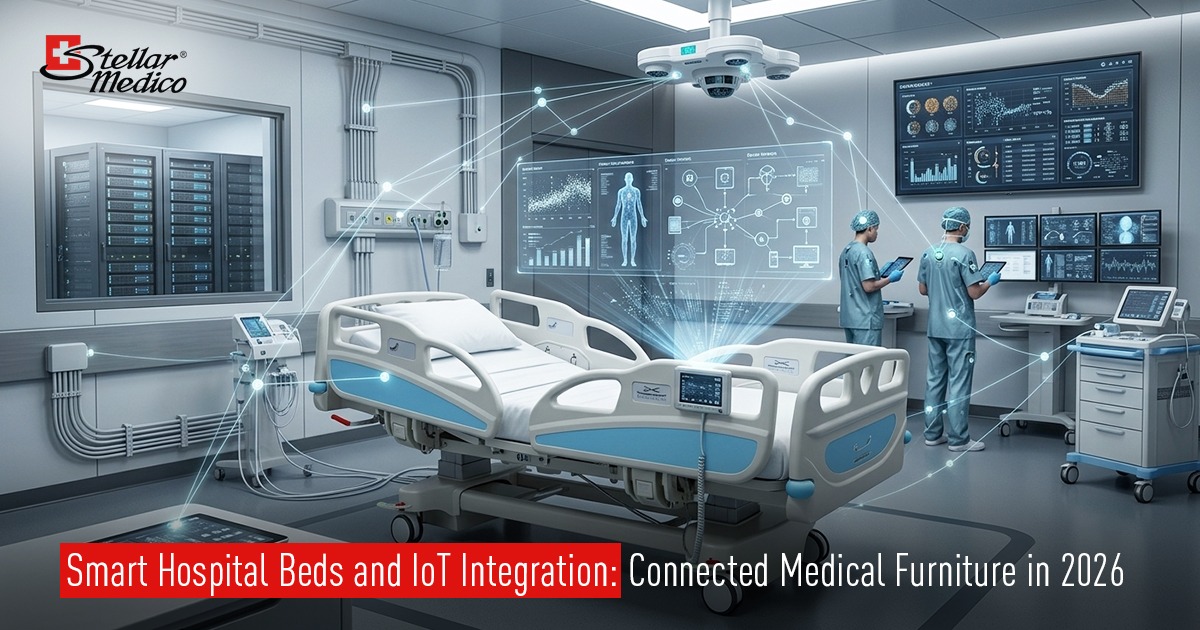
Modern hospitals increasingly rely on connected medical devices, digital monitoring systems and mobile healthcare technologies.
This evolution has transformed how furniture is positioned within healthcare spaces.
Today’s hospital furniture layout planning must account for power access, cable management, digital workstations and mobile equipment movement.
Advanced medical furniture design now supports technology integration without creating clutter or restricting movement.
As hospitals become more technologically advanced, flexible hospital space planning design becomes even more important.
Layouts must adapt to future equipment upgrades while maintaining smooth patient flow in hospitals.
Furniture placement does not only affect movement; it also shapes emotional experiences. Cluttered rooms can increase stress, confusion and anxiety among patients and families.
Well-organized spaces create a sense of calm, professionalism and safety.
A carefully planned patient room design helps patients feel more secure and comfortable during treatment. Modern interior design of hospital rooms increasingly combines functionality with emotional well-being.
Thoughtful healthcare furniture design creates environments that feel less overwhelming and more supportive for recovery. This emotional comfort indirectly improves patient flow in hospitals because calmer patients and visitors navigate spaces more confidently.
Furniture placement also influences hospital hygiene and infection control. Crowded layouts make cleaning difficult and create hidden contamination zones. Effective hospital furniture layout planning ensures housekeeping teams can clean surfaces thoroughly and access all areas easily. Open, organized hospital room design standards support better sanitization practices and reduce contamination risks.
Strategically placed healthcare furniture design also minimizes unnecessary physical contact between patients, staff and visitors. As infection control becomes increasingly important, hospitals are prioritizing smarter hospital space planning design more than ever before.
Also Read: Why Is Infection-Control Furniture Essential for Hospitals?
Healthcare demands can change rapidly.
Hospitals may expand departments, increase bed capacity or redesign treatment workflows over time.
Rigid furniture layouts make these transitions difficult and expensive. Flexible hospital furniture layout planning allows facilities to adapt more efficiently.
Modular healthcare furniture design supports easier reconfiguration without disrupting operations.
This flexibility improves patient flow in hospitals while helping healthcare facilities respond to future demands more effectively.
Modern medical furniture design increasingly focuses on mobility, adaptability, and long-term operational efficiency.
Even the best hospital design concepts fail without the right furniture solutions and supplier support. A reliable medical furniture supplier understands how hospital furniture layout planning affects real-world healthcare operations. From patient room design to large-scale hospital space planning design, the right supplier helps healthcare facilities choose furniture that supports movement, safety, hygiene and efficiency.
Stellar Medico supplies medical furniture designed to support smoother patient flow in hospitals while aligning with modern hospital room design standards.
As a trusted supplier, we focus on delivering functional healthcare furniture design solutions that help hospitals create organized, patient-friendly and operationally efficient environments.
Whether it is hospital waiting area furniture, ICU setups, patient room interior design requirements or modular medical furniture design solutions, we supply products built for modern healthcare needs.
Furniture placement is far more than an interior design decision. It directly influences how patients move, how staff perform and how efficiently hospitals operate every single day.
Thoughtful hospital furniture layout planning improves accessibility, reduces stress, strengthens infection control and supports faster healthcare delivery.
As hospitals continue evolving, smarter hospital space planning design will play an even larger role in shaping safer and more efficient healthcare environments.
From patient room design to emergency care layouts, every furniture decision affects patient flow in hospitals in meaningful ways.
We understand the importance of healthcare-ready furniture solutions that support functionality, movement and long-term operational efficiency.
If you are planning to upgrade your healthcare facility, choose a supplier that understands how furniture placement influences real hospital performance.
Connect with us today and build healthcare spaces designed for smoother movement, safer care and better patient experiences.
Social Sharing: