Modern hospitals are built around precision, efficiency and patient-centered functionality. Yet even the most advanced healthcare projects often face one recurring issue, the disconnect between approved design plans and the final installation on-site. This challenge affects timelines, operational readiness, workflow efficiency and even patient safety.
In many healthcare projects, hospital furniture installation challenges become one of the biggest reasons for delays, rework and unnecessary operational costs.
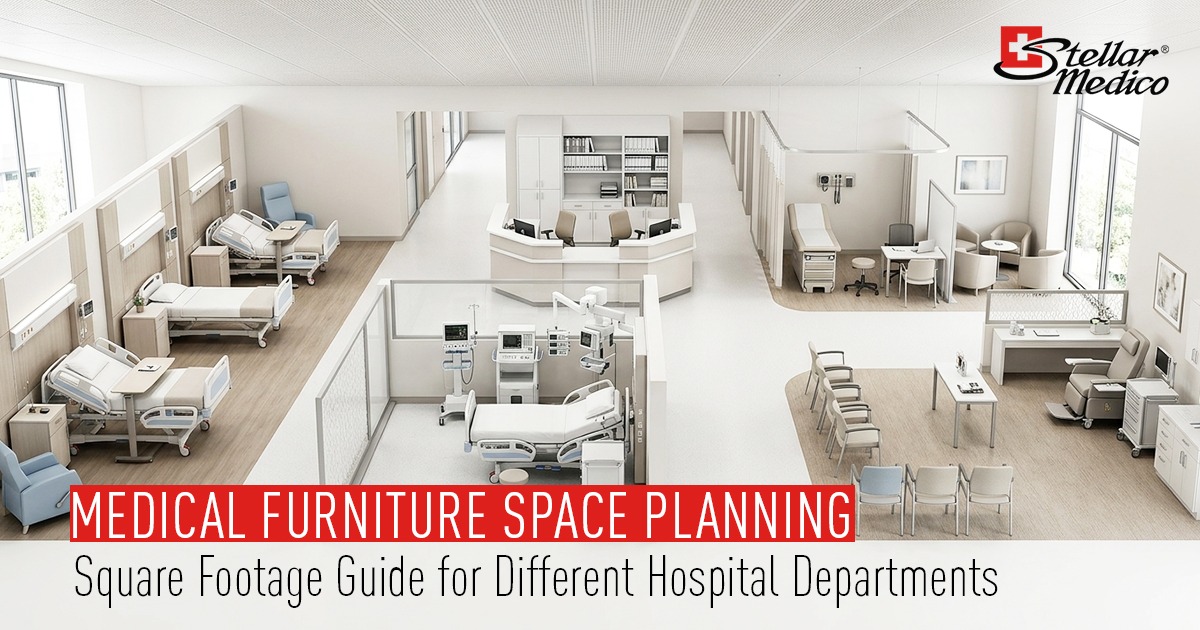
Hospital spaces are highly specialized. Every department, from emergency rooms and ICUs to diagnostic centers and patient wards, requires furniture that supports movement, hygiene, accessibility and clinical workflows.
However, when layouts, measurements, procurement schedules and installation plans fail to align, the result is confusion during the final stages of the project. This is where the design to installation gap in hospital projects becomes visible.
Today, experienced suppliers are playing a much larger role in helping hospitals bridge this gap. Beyond simply delivering products, they contribute through planning support, logistical coordination, product standardization and workflow-focused recommendations. Understanding the medical furniture supplier role is becoming increasingly important for healthcare facilities that want smoother project execution and faster operational readiness.
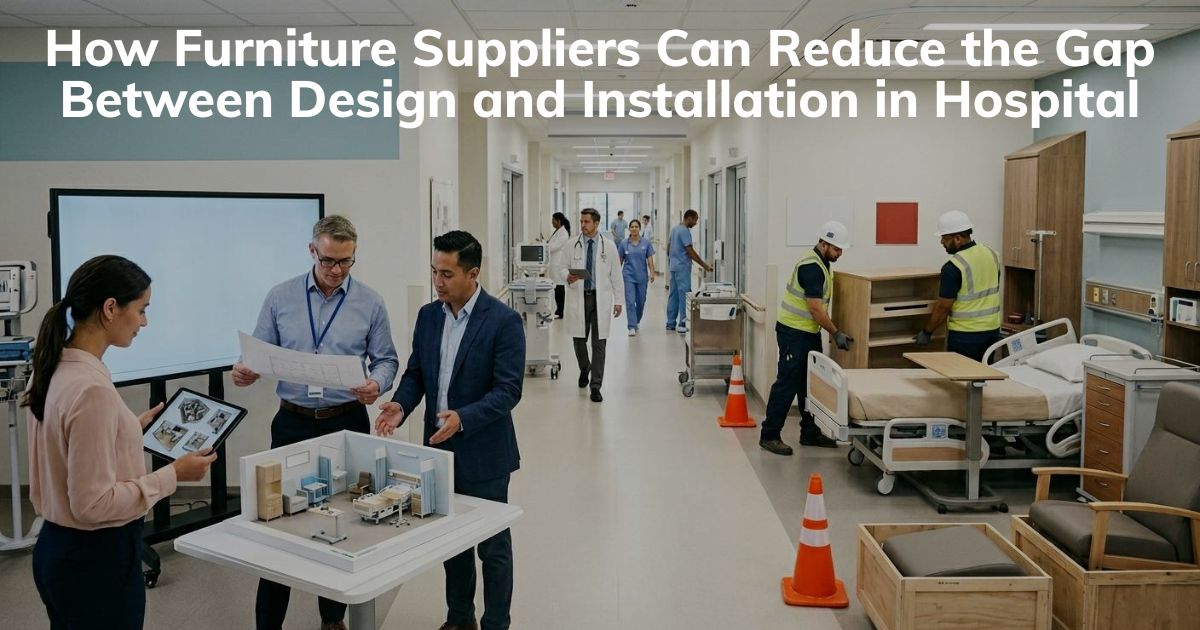
Healthcare infrastructure projects involve multiple stakeholders working simultaneously. Architects focus on space planning, engineers manage utilities, contractors oversee construction timelines and procurement teams source products from different vendors. In such complex environments, even small communication gaps can create major disruptions during the installation phase.
One of the most common hospital furniture installation challenges occurs when furniture decisions are finalized too late in the project. By the time products arrive on-site, room dimensions may have shifted slightly, utility placements may interfere with layouts or movement clearances may not support safe workflows.
Another issue is the lack of coordination between designers and operational teams. A room may appear efficient on paper but become impractical once real-world clinical movement begins. Nurses may struggle with accessibility, patient transfer routes may become restricted or storage units may obstruct essential workflows.
The design to installation gap in hospital projects often develops because furniture planning is treated as a final-stage activity rather than an integrated part of healthcare infrastructure planning.
Also Read: 5 Ways Furniture Design Can Boost Patient Flow and Staff Efficiency
One of the most effective ways to reduce hospital furniture installation challenges is by involving suppliers early during project planning. When suppliers review layouts and specifications before construction is completed, many potential problems can be identified in advance.
Early collaboration allows furniture dimensions, movement clearances and utility requirements to align with the actual hospital environment. Instead of making reactive adjustments during installation, teams can proactively plan around operational requirements.
For example, ICU environments require enough clearance around patient beds for ventilators, monitoring systems, emergency access and staff movement.
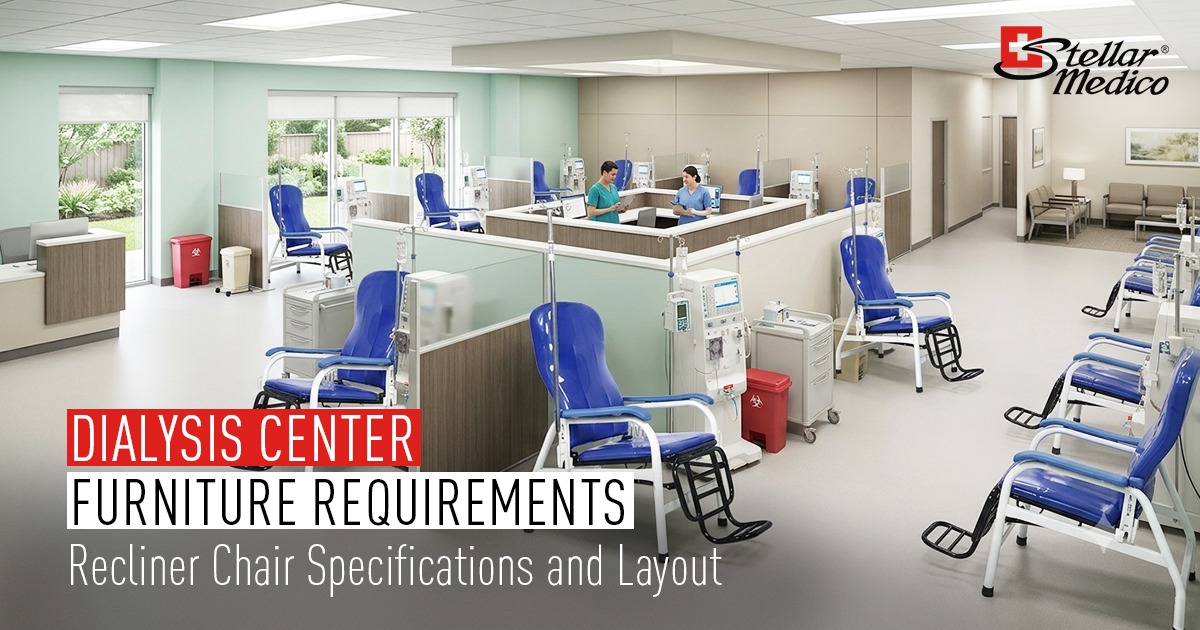
Similarly, dialysis areas need layouts that support both patient comfort and uninterrupted caregiver access. Suppliers familiar with healthcare operations can help hospitals avoid layout decisions that later become installation barriers.
This proactive coordination helps reduce the design to installation gap in hospital projects because every stage of the process becomes more synchronized.
Also Read: How Does a Medical Furniture Supplier Execute Large Hospital
Many healthcare facilities underestimate the importance of physical site verification before furniture delivery begins. Drawings alone cannot always capture real-world installation conditions accurately.
Pre-installation assessments help identify structural limitations, corridor access issues, uneven flooring, wall projections or utility conflicts that could interfere with installation.
Large furniture items such as ICU beds, modular counters, examination tables and mobile storage systems require proper access planning before delivery.
Without these assessments, installation teams may face avoidable delays after products have already arrived on-site. This creates scheduling disruptions and increases operational costs.
Experienced hospital furniture suppliers often conduct site visits to verify measurements, review movement paths and ensure installation readiness before dispatching products. This step significantly reduces hospital furniture installation challenges during the final execution phase.
Large healthcare facilities frequently expand in phases or operate across multiple specialized departments. Without standardization, each department may procure different furniture specifications, dimensions or layouts, creating inconsistencies throughout the hospital.
Standardization simplifies installation because teams work with repeatable configurations and familiar product systems. It also improves long-term maintenance and replacement planning.
For example, standardized nursing stations, storage systems and patient room furniture create predictable workflows across departments. Clinical staff can adapt more easily when room layouts remain consistent throughout the facility.
Reducing unnecessary variation also helps minimize the design to installation gap in hospital projects because installation teams face fewer unexpected modifications during execution.
Hospital furniture is not simply about filling space. Every placement decision affects movement, accessibility, safety and operational speed.
Poor furniture positioning can slow emergency response times, restrict wheelchair access, create congestion in patient transfer routes or increase staff fatigue. Even small layout errors can disrupt hospital efficiency on a daily basis.
This is why the medical furniture supplier role extends beyond product supply. Experienced suppliers understand how healthcare spaces function operationally. They help hospitals select furniture that supports movement patterns, accessibility, infection control and ergonomic workflows.
When layouts are planned correctly from the beginning, hospitals avoid many of the hospital furniture installation challenges that appear during final setup and operational testing.
Delivery planning is often overlooked during hospital infrastructure development, yet logistics can determine whether installation proceeds smoothly or becomes chaotic.
Hospitals are highly active environments where unrestricted movement is essential. Deliveries must often happen in phases to avoid disrupting patient care, staff circulation or ongoing clinical operations.
Suppliers that specialize in healthcare projects coordinate packaging, transportation schedules, unloading sequences and floor-by-floor installations carefully. Products are frequently labeled and grouped according to department or room allocation to simplify deployment on-site.
This organized approach reduces handling errors, minimizes delays and allows installation teams to work more efficiently. Proper logistics management is one of the most effective ways to reduce hospital furniture installation challenges in large-scale projects.
Modern hospitals operate under strict hygiene and infection control standards. Furniture materials, surface finishes and construction quality directly affect how easily healthcare environments can be sanitized.
Furniture with smooth surfaces, sealed joints and disinfectant-resistant coatings supports faster cleaning and reduces bacterial accumulation. Poor-quality materials may deteriorate quickly under aggressive sanitation protocols, leading to maintenance problems and early replacements.
During the planning phase, suppliers help healthcare facilities choose products suitable for high-frequency cleaning environments. This ensures that furniture remains functional and hygienic even after years of continuous use.
The design to installation gap in hospital projects becomes smaller when material performance, operational needs and installation planning are considered together rather than separately.
Hospital projects involve architects, consultants, biomedical teams, procurement departments, contractors and facility managers. Without centralized coordination, even minor specification changes can create major installation conflicts.
Successful suppliers often serve as communication bridges between these teams. They help align timelines, verify updated layouts, confirm technical requirements and coordinate installation schedules with construction progress.
For example, a slight shift in electrical points for powered hospital beds may require adjustments in room layouts. If suppliers are informed early, they can adapt product positioning before installation begins instead of making last-minute modifications.
This collaborative approach strengthens the medical furniture supplier role and helps hospitals maintain project momentum without costly interruptions.
Installation is only one part of the process. Hospital teams must also understand how to use and maintain the furniture correctly after project completion.
Modern healthcare furniture often includes adjustable systems, mobility mechanisms, ergonomic features and specialized accessories. Without proper orientation, hospital staff may struggle to use products effectively.
Reliable healthcare furniture suppliers frequently provide post-installation guidance, operational demonstrations and maintenance recommendations to support long-term usability.
This support helps healthcare facilities transition smoothly from project completion to full operational readiness while reducing future maintenance concerns.
Healthcare environments are becoming increasingly technology-driven. Powered ICU beds, modular nurse stations, integrated storage systems and mobile clinical workspaces now require coordination with electrical infrastructure and digital systems.
As hospitals adopt more advanced equipment, installation planning becomes even more complex. Furniture suppliers must understand not only product dimensions but also integration requirements with modern healthcare infrastructure.
This evolution makes early planning and supplier coordination more valuable than ever before. Hospitals that prioritize collaborative planning typically experience fewer delays and more efficient project activation timelines.
Hospitals today require more than simple product delivery. They need suppliers who understand healthcare environments, workflow efficiency, installation coordination and long-term operational functionality.
Experienced hospital furniture suppliers help healthcare facilities avoid delays, improve project efficiency and create patient-ready spaces faster. Their involvement reduces uncertainty throughout the planning and installation process.
The medical furniture supplier role now includes logistical support, layout coordination, installation planning and practical guidance that supports real healthcare operations. This broader involvement helps hospitals reduce risk and improve project execution quality.
Healthcare projects become significantly smoother when hospitals work with suppliers who understand the realities of clinical environments instead of approaching furniture as standard commercial infrastructure.
The success of a hospital project is not determined only by architecture or construction quality. It depends heavily on how effectively the space functions once operations begin.
Reducing hospital furniture installation challenges requires coordinated planning, early supplier involvement, standardized layouts, efficient logistics and workflow-focused furniture selection. When these elements align, hospitals can transition from construction completion to patient care much more efficiently.
At Stellar Medico, we understand how critical smooth furniture planning and installation coordination are for healthcare projects. As a trusted supplier of medical furniture, we focus on delivering dependable solutions that support operational efficiency, durability, hygiene and healthcare functionality across modern medical spaces. From patient wards and ICUs to diagnostic centers and nursing stations, our healthcare furniture solutions are designed to support hospitals in creating efficient, organized and patient-ready environments.
If you are planning a new healthcare facility, expanding departments or upgrading hospital infrastructure, partner with us.
Social Sharing: