Updated on July 24, 2026, for accuracy and clarity.
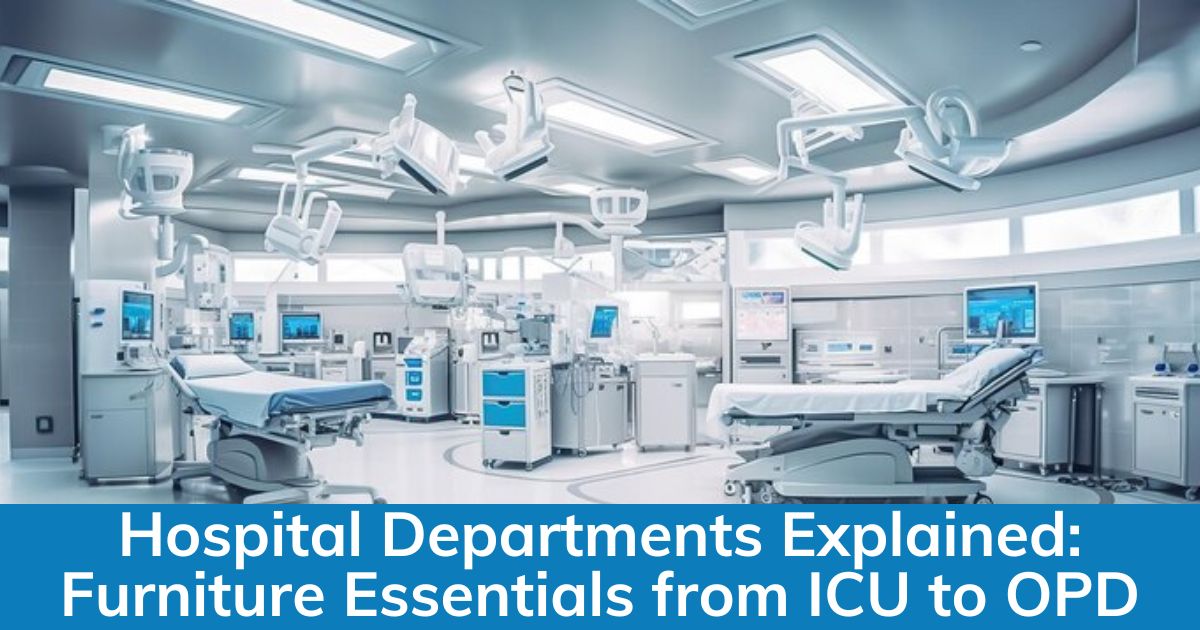
TL;DR Hospital medical departments are specialized units designed to provide specific types of patient care, from emergency treatment to diagnosis, surgery, recovery, and outpatient services. Key departments such as the ICU, OPD, Emergency Department, Operation Theatre, Radiology, and Laboratory each play a critical role in delivering efficient and coordinated healthcare. Understanding the purpose of each hospital department helps patients navigate medical services more confidently while enabling healthcare facilities to improve patient outcomes and operational efficiency.
When we talk about the efficiency and success of medical departments in hospitals, it is easy to focus only on doctors, nurses and technology. Yet, one critical factor often goes unnoticed, the furniture of that space. From ICU furniture to OPD furniture, the right setup not only supports medical staff but also ensures patient safety, comfort and quick recovery. Hospitals worldwide are beginning to understand that furniture is more than utility, it is a silent enabler of seamless care.
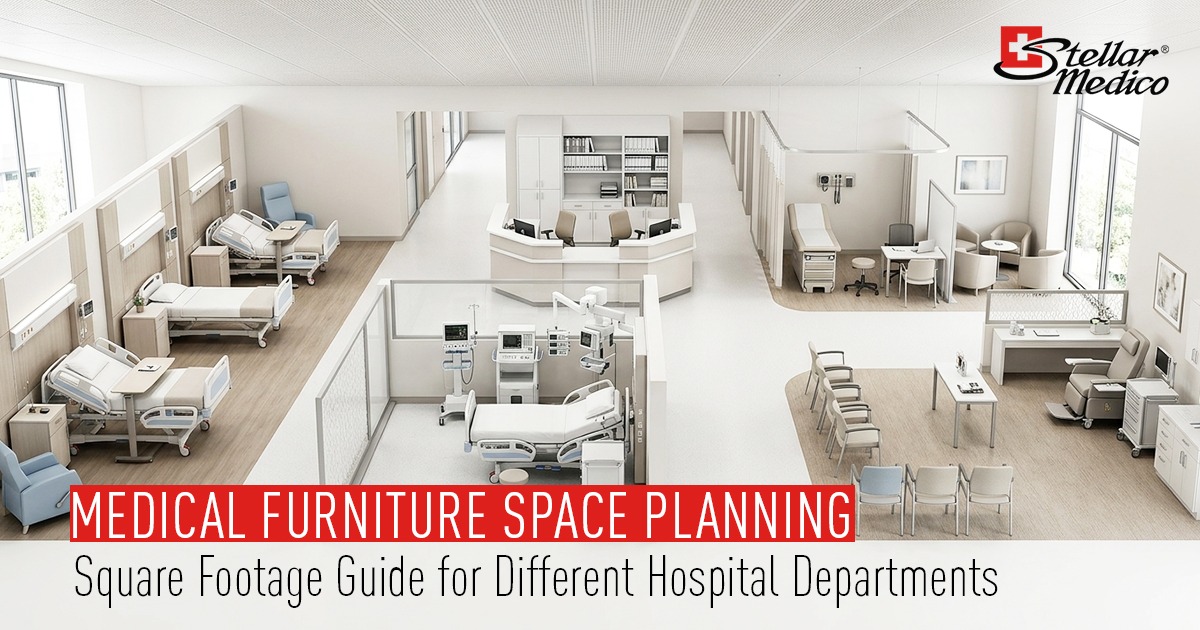
Every department in a hospital is designed with a specific purpose and furniture plays a defining role in achieving it. The requirements of the ICU are very different from the OPD and the standards of furniture safety and design must reflect that. For example, ICU furniture must be adjustable, durable and highly functional to meet the demands of critical care, while OPD furniture must emphasize accessibility and comfort to handle high patient footfall daily. Understanding these differences is the first step toward optimizing the performance of all medical departments in hospitals.
The Intensive Care Unit (ICU) is where the most critical and time-sensitive medical care takes place. Here, ICU furniture must be engineered for functionality and resilience.
Hospital beds in the ICU are designed with features like adjustable heights, side rails and sections that can be inclined to improve breathing or circulation. Every bed is built to support patients who may need round-the-clock monitoring. ICU furniture also includes specialized overbed tables that allow staff to perform procedures without moving the patient unnecessarily, reducing risks.
Storage units in ICUs are equally important since they ensure that life-saving equipment and medicines are always within reach. Ergonomic chairs for staff play a major role too, as they reduce fatigue during long shifts. Ultimately, ICU furniture contributes directly to patient safety and staff efficiency, making it indispensable to critical medical departments in hospitals.
The Outpatient Department (OPD) is often the first point of contact between a patient and the hospital. This makes OPD furniture a key factor in shaping a patient’s overall experience.
Waiting areas in OPDs require seating that is durable, easy to clean and comfortable enough to ease patient stress. Consultation rooms, on the other hand, need examination tables that support basic diagnostic procedures and ensure hygiene. OPD furniture also includes physician chairs and desks that allow smooth communication between doctor and patient, enhancing trust and comfort during consultations.
Since OPDs witness high patient volumes daily, the design of OPD furniture must balance functionality with aesthetics. Chairs, desks and examination couches must be arranged to maximize space while ensuring accessibility. In this way, OPD furniture directly influences patient satisfaction, making it a crucial component of medical departments in hospitals.
Emergency departments demand speed, efficiency and clarity in every process. Furniture here must withstand constant use and rapid response situations.
Stretcher trolleys, for example, must be lightweight, mobile and sturdy enough to move patients quickly without compromising safety. Emergency beds are designed to adjust rapidly for different procedures. Chairs for staff and patients in the emergency room need to be placed strategically to support the flow of people without creating bottlenecks.
Lockable storage cabinets and mobile carts are also vital, as they ensure that critical equipment and medications are always at hand. This design of emergency furniture reflects the overall purpose of these medical departments in hospitals: saving lives under immense pressure.
The pediatric ward requires furniture that is not only functional but also child-friendly. Pediatric beds are typically smaller, with side rails that prevent accidental falls. OPD furniture in pediatric units often includes colorful seating to make the environment less intimidating for children.
Nursing stations are designed to keep medical equipment out of children’s reach while remaining accessible to staff. Even waiting area furniture in pediatric departments is carefully considered, as it must accommodate both children and their parents comfortably. By making safety and comfort a priority, pediatric furniture reflects how medical departments in hospitals must adapt to patient needs at every level.
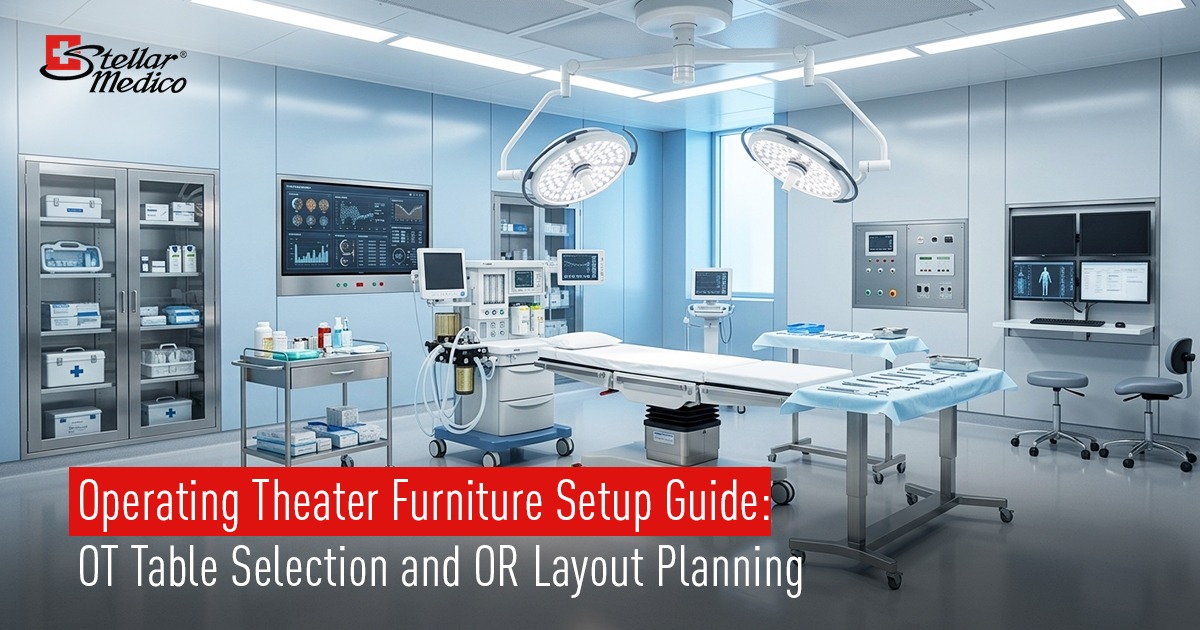
Surgical units demand the highest standards in both equipment and furniture. Operating tables, one of the most vital pieces of surgical furniture, must be adjustable to multiple positions and compatible with a wide range of procedures. Lighting systems, though not furniture in the traditional sense, are often built into adjustable arms that must meet furniture safety standards.
Support furniture in surgical departments also includes anesthesia carts, instrument trolleys and scrub stations. Every piece is designed to keep workflow smooth and sterile conditions intact. This precision underscores why the furniture used in surgical departments is different from general OPD furniture or ICU furniture, each must reflect the critical needs of the space it supports.
In maternity wards, beds must be specially designed to adjust for labor, delivery and recovery. Neonatal intensive care units (NICUs) require incubators and cribs that are both safe and ergonomically designed to allow staff to provide delicate care.
Seating for mothers and family members must balance comfort with durability, while examination couches and delivery tables must prioritize safety. Here again, the variety of furniture underlines how medical departments in hospitals differ from one another, each requiring custom solutions.
Rehabilitation units focus on gradual patient recovery and mobility training. Furniture in these departments includes adjustable physiotherapy tables, supportive chairs and mobility aids like parallel bars. Unlike ICU furniture, which is centered around critical care, rehab furniture is designed for long-term use and adaptability.
Seating for patients must be ergonomic to prevent strain, while therapy couches must withstand constant adjustments. These considerations show how furniture is central to the functionality of specialized medical departments in hospitals.
From ICUs to OPDs and beyond, hospital furniture plays a unifying role in ensuring efficiency, safety and patient-centered care. While ICU furniture emphasizes resilience and precision, OPD furniture highlights accessibility and comfort. Together, they illustrate how tailored solutions are required across all medical departments in hospitals.
When it comes to delivering hospital grade furniture and solutions that align with global safety and quality benchmarks, Stellar Medico stands out as a trusted supplier. With a strong focus on innovation, durability and functionality, we ensure that hospitals can equip every department whether ICU, OPD or beyond, with furniture that enhances both patient experience and staff efficiency.
If you are looking to optimize your hospital setup with furniture that meets the highest standards of safety and reliability, we’re the partner you can count on. Explore our complete range of solutions today and take the first step toward transforming your medical departments in hospitals into spaces that truly support healing.
The main medical departments in a hospital include the Outpatient Department (OPD), Intensive Care Unit (ICU), Emergency Department, Operation Theatre (OT), Radiology Department, Laboratory, Maternity Ward, General Wards, Pharmacy, and Diagnostic Services. Each department specializes in different aspects of patient care, diagnosis, treatment, and recovery to ensure comprehensive healthcare services.
The ICU provides intensive care for critically ill patients who require continuous monitoring and life-support equipment, while the OPD treats patients who need medical consultations, routine examinations, and follow-up care without being admitted to the hospital. The ICU focuses on emergency and critical care, whereas the OPD manages non-emergency healthcare services.
Specialized hospital departments are important because they bring together trained healthcare professionals, advanced medical equipment, and dedicated facilities for specific treatments. This specialization improves diagnostic accuracy, enhances patient safety, streamlines clinical workflows, and ensures patients receive the most appropriate care for their medical condition.
Different hospital departments use specialized medical furniture based on their clinical requirements. ICU departments require ICU beds and patient monitoring stations, OPDs use examination tables and consultation furniture, operating theatres require surgical tables and instrument trolleys, while emergency departments rely on stretchers, treatment beds, and mobile medical carts to support efficient patient care.
Hospital departments work together by coordinating patient diagnosis, treatment, surgery, rehabilitation, and follow-up care. Patients may move between departments such as the Emergency Department, Radiology, Laboratory, ICU, Operation Theatre, and OPD depending on their medical needs. This integrated approach enables faster decision-making, better communication among healthcare teams, and improved patient outcomes.
Social Sharing: